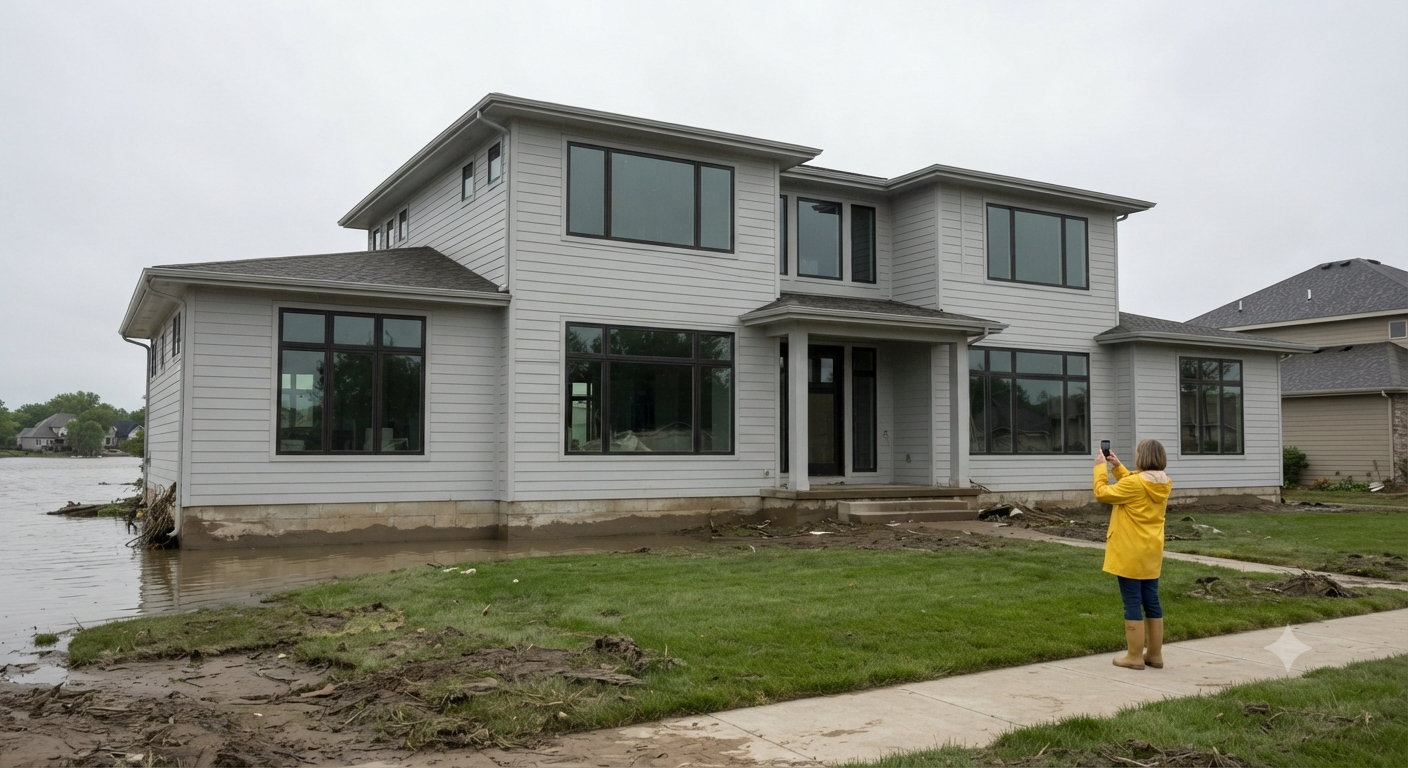
Water damage in Sacramento properties often looks manageable at first. A leak is fixed, water is extracted, and the space appears stable. What many property owners do not realize is that large water loss events behave very differently from small leaks. Once water enters structural systems, it spreads into framing, insulation, and flooring layers before becoming visible. This is why properties frequently require professional water damage restoration that focuses on structural impact rather than surface drying. Sacramento’s mix of residential homes and commercial buildings increases this risk, especially in properties with slab foundations and multi-room layouts where moisture travels laterally.
The challenge becomes more complex when moisture reaches deeper materials. Structural components absorb water unevenly, which means some areas may dry while others remain saturated. This imbalance creates delayed damage such as floor separation, wall distortion, and persistent humidity. In larger buildings, this pattern can extend across multiple rooms or suites without clear signs in each area. That is why professional structural drying services are critical in large loss scenarios. They ensure moisture is removed consistently across all affected materials, preventing long-term instability.
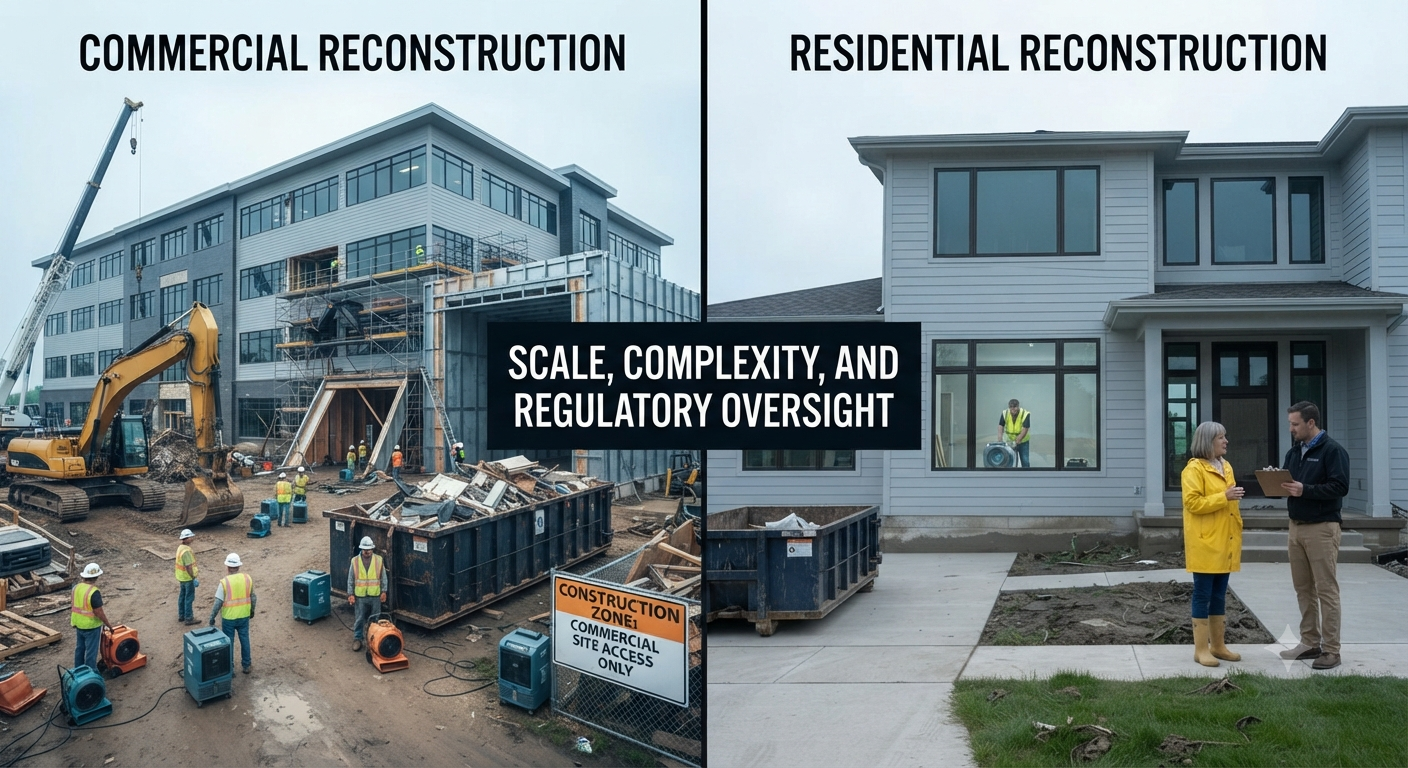
In commercial properties across Sacramento, the stakes are even higher. Offices, retail spaces, and industrial buildings rely on uninterrupted operations. A water event that is not fully addressed can disrupt business long after reopening. Moisture trapped inside walls or ceilings may lead to recurring issues that affect tenants and customers. In these cases, restoration must align with operational needs, making comprehensive commercial disaster response a key part of the recovery process.
Water damage is rarely just about removing water. It is about restoring structural balance and preventing hidden deterioration. Acting early with a full structural approach protects both the property and the people who rely on it.