Heavy rains pose one of the most significant threats to residential and commercial properties. When severe weather strikes, your home’s structural integrity depends on proper drainage, waterproofing, and preventive maintenance. The best approach is maintaining gutters, sealing foundation cracks, installing sump pumps, and keeping your yard graded away from your foundation. Understanding these prevention strategies can save thousands in water damage restoration costs and protect your family’s safety.
Understanding Water Entry Points
Water penetration often occurs through the most unexpected areas of your home. Foundation cracks, even hairline fractures, allow water to seep into basements and crawl spaces during heavy rainfall. Window wells without proper drainage become collection pools for water that eventually penetrates window frames and surrounding walls. Damaged or clogged gutters overflow during storms, directing water toward your foundation instead of away from it. Basement seams where concrete walls meet the floor are natural weak points where hydrostatic pressure forces water inside. Compromised roof shingles and flashing around chimneys and vents create openings for water infiltration that damage attics, insulation, and living spaces below. Gaps around pipes, utility penetrations, and basement windows provide additional pathways for water entry.
Essential Gutter Maintenance
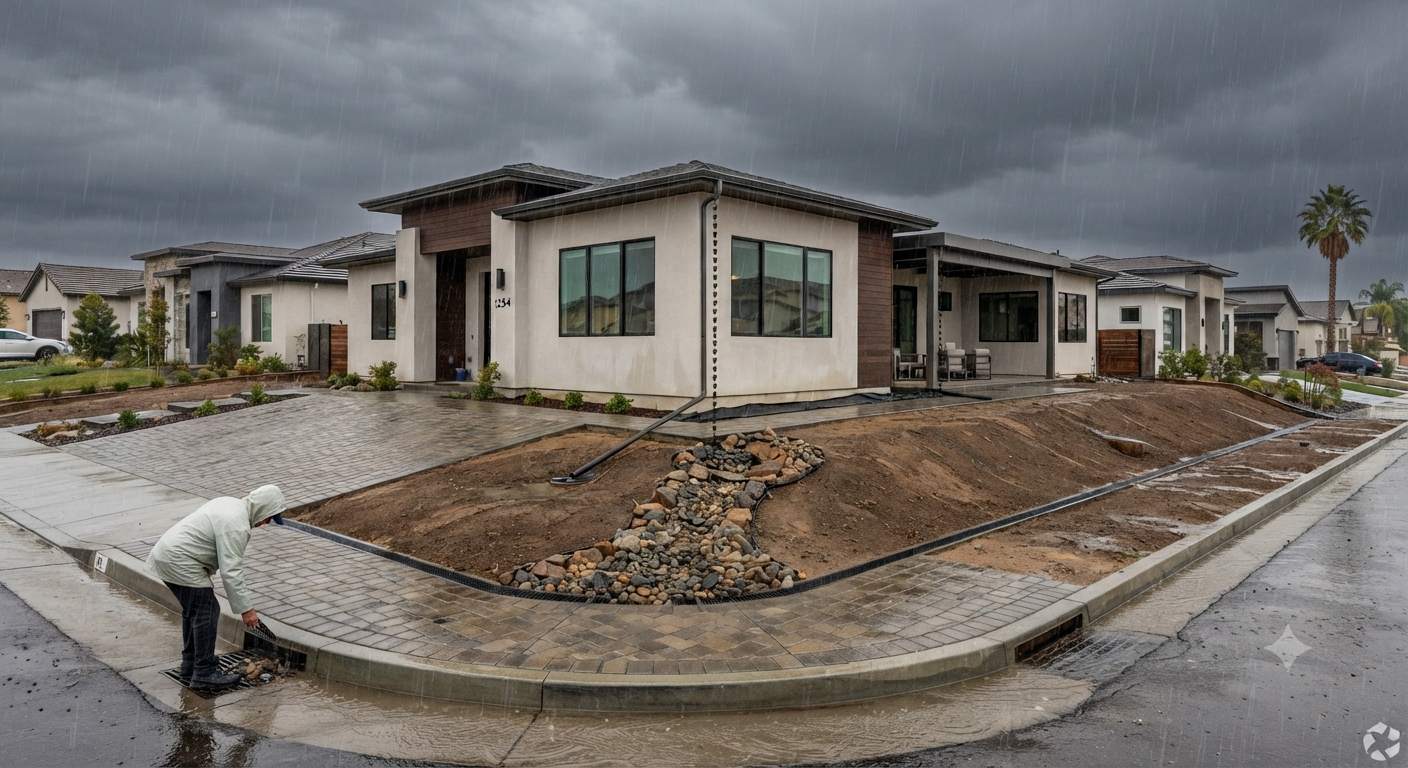
Gutters serve as your first line of defense against water damage. Clean gutters at least twice yearly, removing leaves, debris, and silt that restrict water flow. Clogged gutters cause water to back up under roof edges, damaging fascia boards and soffits while allowing water to drip directly alongside your foundation. Ensure gutters slope properly toward downspouts with no standing water. Downspouts should extend at least six feet away from your foundation, directing water to proper drainage areas. Consider installing gutter guards or screens to minimize debris accumulation. Inspect gutters for leaks, rust, and proper fastening. Many homeowners overlook gutter maintenance until significant damage occurs, making prevention far more cost-effective than professional water restoration work.
Foundation Sealing and Waterproofing
Your foundation requires specific attention to prevent water intrusion. Hairline cracks in concrete expand with freeze-thaw cycles, creating pathways for water penetration. Inspect your foundation regularly for new cracks and seal them immediately with concrete patching compound. Basement walls benefit from waterproof sealants applied to both interior and exterior surfaces. Exterior foundation coatings provide additional protection by repelling water before it contacts the concrete. Interior sump pump installation offers backup protection in susceptible basements. Proper yard grading directs surface water away from your foundation, preventing water from pooling against foundation walls. Landscape design should slope downward in all directions away from your home’s perimeter. Installing French drains or footing drains around your foundation redirects groundwater away from basement walls, providing comprehensive protection against hydrostatic pressure during heavy rains.
Installing and Maintaining Sump Pumps
Sump pumps are critical components of basement water management systems. These devices automatically remove accumulated groundwater from sump pits, preventing basement flooding during heavy rain events. Install your sump pump in the lowest point of your basement, typically in a basement corner or at footing level. Ensure your pump has sufficient capacity to handle your region’s rainfall rates. Backup power systems, such as battery-operated or generator-supported pumps, protect your home during power outages that often accompany severe storms. Test your sump pump monthly by pouring water into the sump pit to verify proper operation. Clean or replace pump intake screens regularly to maintain adequate water flow. Ensure discharge pipes direct water away from your foundation, not into nearby storm drains or areas where water can redirect toward your home.
Seasonal Preparation
Seasonal weather changes require corresponding adjustments to your home’s water management systems. Before spring rains and hurricane seasons, inspect your entire water management infrastructure. Clean gutters thoroughly, test sump pumps, and verify downspout drainage. Trim tree branches overhanging your roof to reduce debris accumulation. Check basement walls for new cracks or water stains indicating previous moisture intrusion. Seal any gaps around basement windows or utility penetrations. After winter, inspect your roof for damage from ice dams and snow load. Verify that landscape grading still slopes away from your foundation. Spring maintenance prevents problems that develop into emergency water damage restoration situations during peak rain seasons.
What to Do When Water Damage Occurs
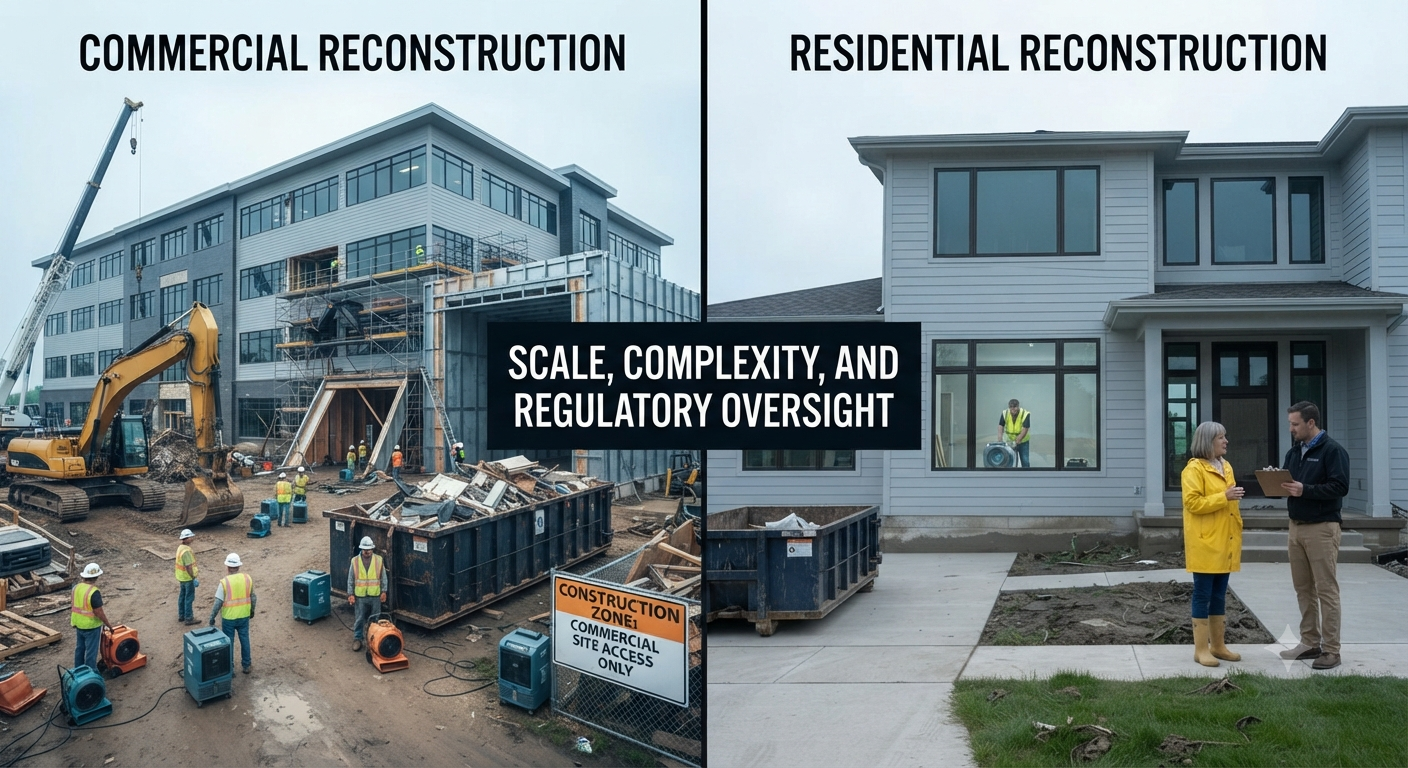
Despite prevention efforts, water damage sometimes occurs. Immediate action within the first 24-48 hours is critical for minimizing damage and preventing mold growth. Stop the water source if safely possible, then contact professional restoration services immediately. Avoid contact with contaminated water from sewage backups. Document damage with photos for insurance claims. Remove personal belongings from affected areas. Do not attempt major restoration work yourself, as hidden moisture within walls and subflooring requires professional assessment and treatment. Professional emergency response teams provide extraction, structural drying, dehumidification, and comprehensive restoration to prevent long-term structural problems and mold development.
Frequently Asked Questions
| What are the most common water entry points in homes? Foundation cracks, window wells, basement seams, damaged gutters, roof penetrations, and gaps around pipes are primary entry points. Regular inspections help catch these issues before they cause serious water damage. |
| How quickly should water damage be addressed? Immediate action within 24-48 hours is critical. Professional intervention prevents mold growth, structural compromise, and secondary damage that spreads rapidly throughout your home. |
| Can I handle minor water damage myself? Minor surface moisture can be managed with dehumidifiers and fans, but anything beyond that requires professional assessment. Hidden moisture within walls and substructures demands specialized equipment and expertise. |
| What does professional restoration include? Professional water damage restoration includes water extraction, structural drying, dehumidification, mold prevention, sanitation, and repair of affected materials. Comprehensive service prevents long-term property damage. |