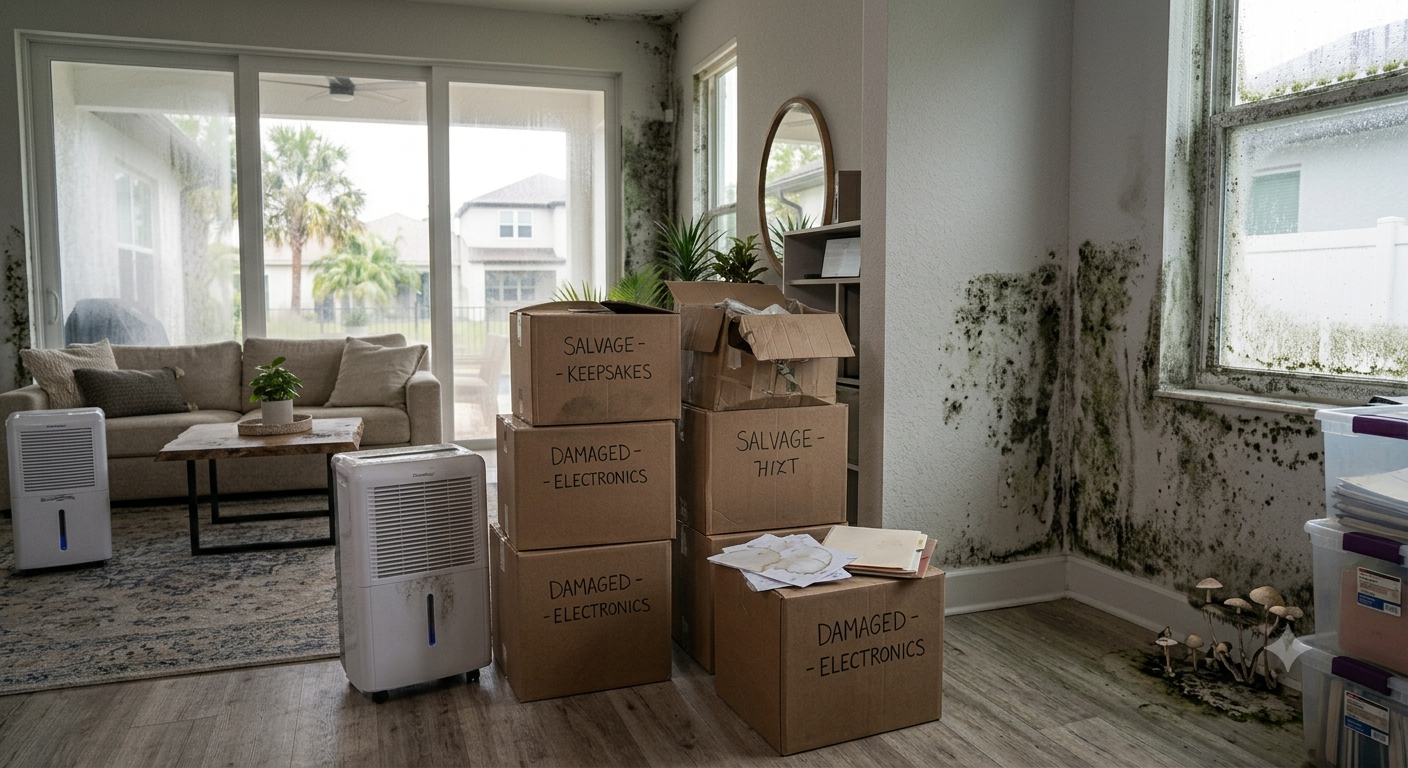
Mold thrives silently in damp environments, growing behind walls, beneath flooring, and inside HVAC systems where you cannot see it developing. Ignoring mold growth leads to serious health consequences including respiratory issues, allergic reactions, and immune system complications. Structural decay compromises your home’s integrity as mold consumes wood, drywall, and other building materials. Property values decline significantly when mold is discovered. Early mold remediation protects your family’s health and your property investment while preventing expensive damage that compounds over months and years.
Health Impacts of Mold Exposure
Mold produces spores and mycotoxins that circulate through your home’s air and settle in your respiratory system. People with asthma, allergies, or compromised immune systems experience particularly severe reactions. Common symptoms include persistent coughing, sneezing, nasal congestion, and itchy eyes. Prolonged exposure can trigger asthma attacks even in people without previous asthma diagnosis. Some mold species produce mycotoxins, which are toxic compounds that cause more serious health effects including neurological issues, immune suppression, and chronic illness. Children, elderly residents, and people with existing health conditions face higher risk from mold exposure. Symptoms often worsen over time, with some individuals developing chronic health conditions from years of repeated mold exposure. Professional mold remediation removes the mold source, improving indoor air quality and protecting family health.
Structural Damage from Untreated Mold
Mold consumes organic materials, particularly wood, causing decay that compromises structural integrity. In basements and crawl spaces, mold eats through wood beams, joists, and support posts, weakening the foundation of your home. Drywall contaminated with mold must be replaced, as the mold penetrates beyond surface layers. Insulation infested with mold loses effectiveness and must be removed and replaced. Flooring and subflooring damaged by mold create safety hazards and require expensive replacement. Roof framing affected by mold can fail during heavy snow or wind loads. The longer mold grows unchecked, the more extensive structural damage becomes, eventually compromising your home’s safety and structural stability. Professional inspection and remediation prevent this cascade of structural failures.
Financial Impact of Delayed Remediation
Ignoring mold creates compounding financial problems. Initial mold remediation of limited areas costs significantly less than treating extensive mold infestations. Small mold remediation projects might cost a few thousand dollars, while major infestations affecting multiple rooms or structural components cost tens of thousands. Property values decline 10-25% when mold is present, severely impacting resale value if you decide to sell. Insurance claims for mold damage become complicated if you delayed remediation after discovering the problem. Buyers discovering mold during home inspections demand significant price reductions or refuse to purchase entirely. Structural repairs resulting from mold damage compound remediation costs. Medical expenses from mold-related health problems accumulate over time. Early professional remediation prevents these escalating costs and protects your financial investment in your home.
Causes and Prevention
Mold requires moisture and organic material to thrive. Common moisture sources include water leaks from roofs or pipes, condensation from poor ventilation, high humidity in bathrooms and basements, and water intrusion from foundation cracks or window leaks. Preventing mold requires addressing moisture sources before they become serious problems. Fix plumbing leaks promptly, ensuring water does not accumulate in walls or under flooring. Improve ventilation in bathrooms and kitchens by running exhaust fans during and after moisture-producing activities. Maintain proper grading around your foundation to direct water away. Install and maintain gutters and downspouts to prevent foundation moisture. Use dehumidifiers in basements and crawl spaces to maintain humidity below 50 percent. Inspect attics, basements, and crawl spaces regularly for signs of water intrusion or early mold growth. Proper maintenance and moisture control prevent mold problems from developing.
Professional Mold Remediation
Professional mold remediation addresses both visible and hidden mold while identifying and correcting underlying moisture problems. Specialists perform comprehensive inspections using moisture detection equipment and thermal imaging to locate hidden mold. Remediation includes containment to prevent spore spread, safe mold removal using appropriate protective equipment, decontamination of affected areas, and repairs to mold-damaged materials. Most importantly, professionals identify and address moisture sources to prevent mold recurrence. This comprehensive approach protects your family’s health, preserves structural integrity, and prevents the escalating costs that result from ignoring mold problems.
Frequently Asked Questions
| How do I know if I have a mold problem? Signs include musty odors, visible dark spots, water stains, and increased allergy symptoms indoors. Professional inspection identifies hidden mold using moisture detection and thermal imaging. |
| Is DIY mold removal dangerous? DIY mold removal can spread spores throughout your home and expose you to health risks. Professional services use containment protocols and proper disposal to ensure safety and thorough remediation. |
| What causes mold to return after cleaning? Mold returns when moisture sources remain uncorrected. Professional remediation addresses both visible mold and underlying dampness to prevent recurrence and lasting problems. |
| Does insurance cover mold remediation? Coverage depends on your policy and whether mold resulted from a sudden event. Consult your insurer and get a professional assessment to clarify what your policy covers. |