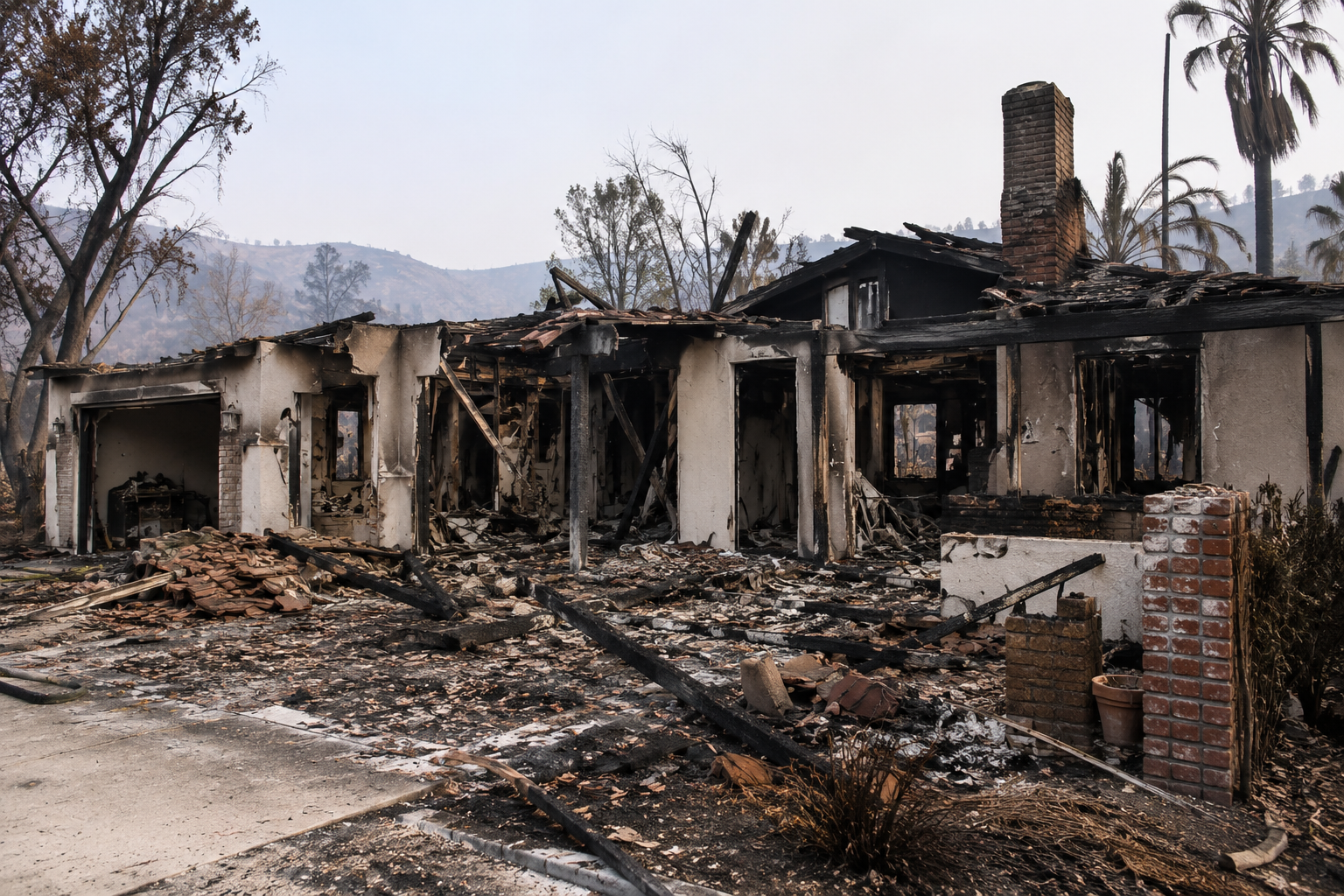
Catastrophe response in property restoration refers to a coordinated large-scale deployment of resources, personnel, and equipment to communities affected by a major disaster event such as a hurricane, tornado, widespread flooding, or wildfire. Unlike a single-property loss, catastrophe response involves restoring dozens or hundreds of properties simultaneously while managing resource allocation, logistics, and insurance coordination at scale.
For property owners caught in a catastrophe event, understanding how the response process works changes what you do in the first hours and who you call first.
What Makes a Catastrophe Loss Different From a Standard Loss
A standard property loss involves one building, one insurance claim, and one restoration team responding to one address. A catastrophe loss affects an entire community simultaneously. Every restoration company in the region is overwhelmed. Insurance adjusters are managing hundreds of claims at once. Building materials and equipment are in short supply. Response timelines that would be measured in hours in a normal loss can stretch into days.
This is why catastrophe-experienced restoration companies maintain pre-positioned resources, trained response teams, and established relationships with regional suppliers that allow them to mobilize faster than local crews working outside their normal capacity.
Anderson Group International’s catastrophe response program is built around this reality. Dedicated response teams, equipment reserves, and logistics infrastructure that activates when a major event occurs, rather than improvising after the fact when resources are already depleted.
The First 48 Hours After a Major Event
The first decision property owners face after a catastrophe is whether to secure a restoration team before demand outpaces availability. After a major hurricane or flood event, restoration companies in the affected region are fully committed within hours. Property owners who call early are prioritized. Those who wait find that response timelines extend significantly as demand exceeds available teams.
Document everything the moment it is safe to do so. Photos and video of every affected area before any cleanup begins. The documentation that most supports an insurance claim is the documentation captured in the immediate aftermath, before secondary changes from weather exposure or attempted cleanup alter the original damage picture.
Triage: What Gets Addressed First
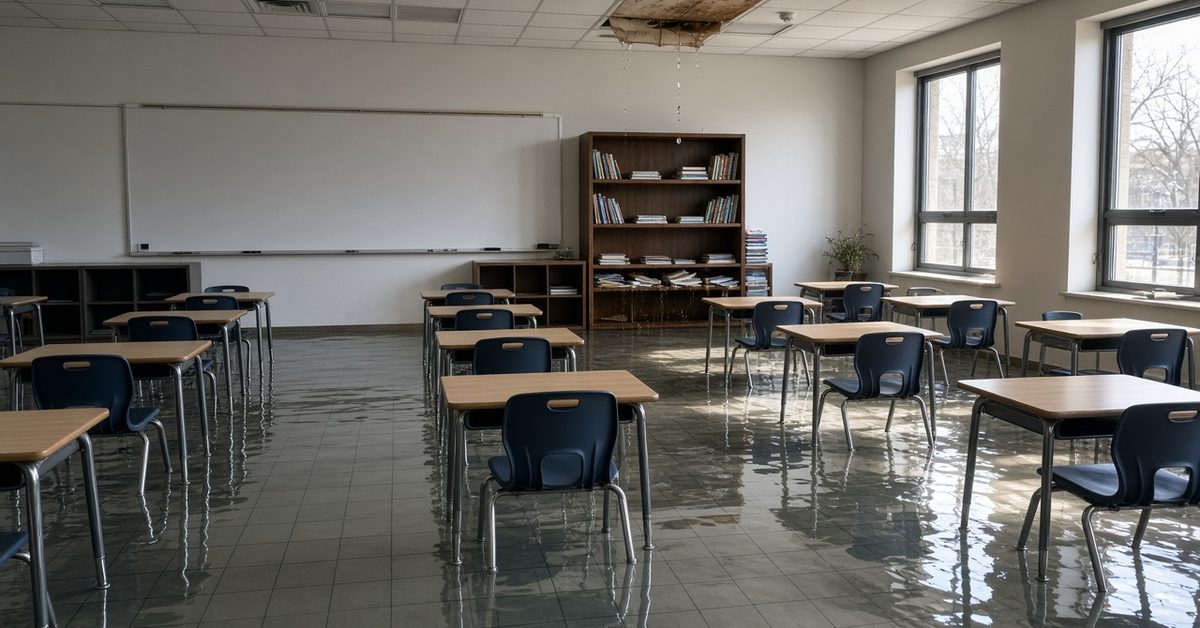
In a catastrophe response, not everything gets addressed simultaneously. Professional restoration teams triage losses by urgency. Active water intrusion that is still spreading gets priority. Structural compromises that create safety hazards come next. Smoke and fire damage that has already reached its full extent can be sequenced. Contents that need to be packed out to prevent further damage from weather exposure are addressed alongside the structural assessment.
For property owners dealing with both structural damage and damaged personal property, contents restoration handled by the same team as the structural work eliminates the coordination gap that occurs when two separate vendors are managing different aspects of the same loss. Contents are inventoried, packed out, cleaned, and stored while the structure is being restored.
Why Insurance Coordination Is More Complex After a Catastrophe
Standard insurance claim processing assumes adjuster availability that catastrophe events eliminate. After a major regional event, adjusters are managing case loads that are ten to twenty times their normal volume. Claims that would be processed in days take weeks. Disputes that would be resolved with a phone call require documentation-heavy appeals.
Property owners who work with restoration companies that handle insurance documentation as part of their standard scope consistently see faster claim resolution after catastrophe events because their files are complete, organized, and submission-ready rather than pieced together after the fact.
AGI’s water damage restoration and fire damage services both include full insurance documentation as standard practice, not an add-on. Damage reports, daily drying logs, moisture readings, scope-of-work estimates, and photo documentation organized in the format adjusters require.
Mold Risk Is Accelerated After Catastrophe Events
In a standard water loss, the goal is professional drying within the first twenty-four to forty-eight hours to prevent mold growth. After a catastrophe event where response timelines are extended, that window closes before many properties receive professional attention. Mold establishes in the affected materials and compounds the restoration scope significantly.
Properties that sat with water damage for more than forty-eight hours before receiving professional attention should be assessed for mold as part of the initial evaluation, not assumed to be mold-free based on visual inspection alone.
AGI’s mold remediation services address post-catastrophe mold as part of an integrated restoration scope rather than as a separate follow-up engagement, which is both faster and more cost-effective for property owners navigating a large insurance claim.
Specialty Services That Come Into Play After Major Events
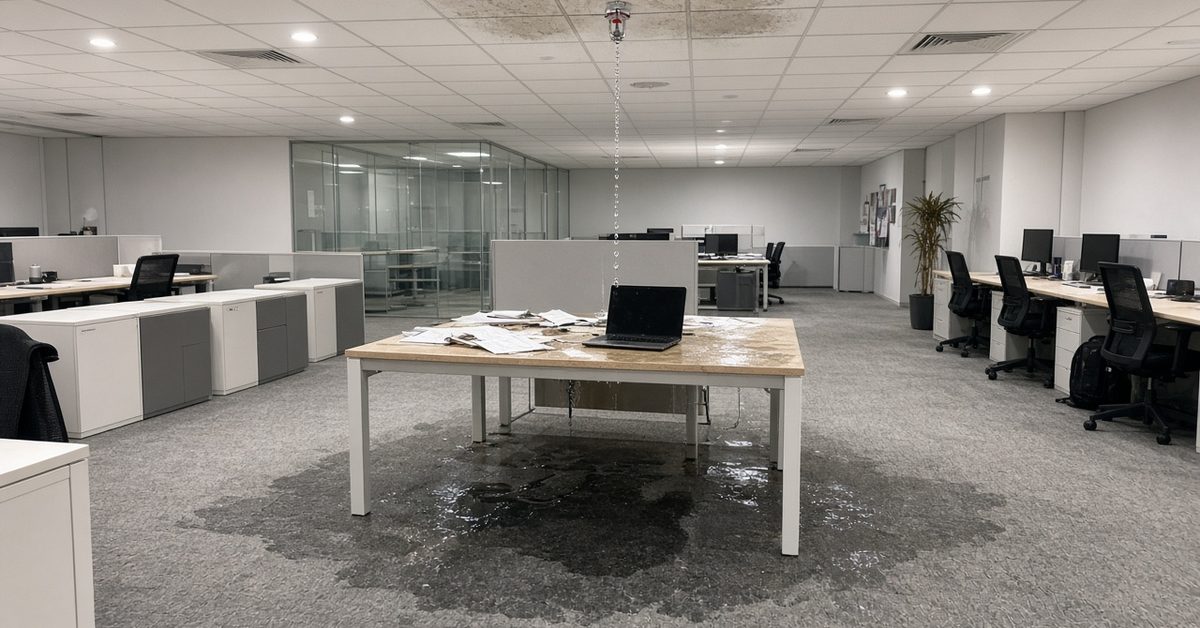
Catastrophe events often involve damage categories that standard residential restoration does not cover. Biohazard contamination from floodwater. Structural stabilization requirements beyond normal mitigation. Board-up and tarping at scale across multiple properties. Document and electronics recovery from water-saturated commercial spaces.
AGI’s specialty services are specifically designed for these non-standard loss categories that catastrophe events regularly produce, handled by technicians with the certifications and equipment the work requires rather than handed off to a separate vendor.
What Property Owners Should Do Right Now
- Document the damage completely before any cleanup begins
- Open the insurance claim immediately, not after assessment is complete
- Secure a restoration company before demand outpaces regional availability
- Do not sign exclusivity agreements with door-to-door contractors who appear after major events
- Ask any restoration company you contact specifically about their catastrophe response capacity
- Keep records of every expense from the date of the event forward for additional living expenses claims
Frequently Asked Questions
Q: What is catastrophe response in property restoration?
A: Catastrophe response is a coordinated large-scale restoration deployment activated after a major disaster event affects multiple properties simultaneously. It involves pre-positioned equipment and personnel, established logistics and supply chains, and the capacity to manage dozens of losses concurrently while maintaining documentation and insurance coordination standards. It differs from standard restoration in scale, timeline, and the complexity of resource management involved.
Q: How long does property restoration take after a major disaster?
A: Timelines after catastrophe events are longer than standard losses due to resource constraints, extended insurance processing times, and the volume of properties being addressed simultaneously. Mitigation, meaning extraction and drying, may begin within days. Full reconstruction can take weeks to months depending on the scope of structural damage and the pace of insurance claim resolution.
Q: What should I do first after my property is damaged in a catastrophe?
A: Document everything before touching anything. Open the insurance claim immediately. Contact a restoration company with verified catastrophe response capacity before regional demand eliminates availability. Do not sign contracts with unsolicited contractors who appear in the days after a major event without verifying their credentials and license status.
Q: Does catastrophe response include contents restoration?
A: Yes, professional catastrophe response includes contents assessment and restoration as part of the integrated scope. Salvageable personal property is inventoried, packed out, and cleaned or stored while structural work proceeds. This documentation feeds directly into the insurance claim and recovers items that appear to be total losses but are restorable with professional cleaning.
Property damaged in a major event? Anderson Group International deploys catastrophe response teams with the resources and experience to handle large-scale losses. Call now for emergency response.