Professional contents restoration can recover furniture, clothing, electronics, documents, photographs, artwork, kitchen items, bedding, and most personal property that was exposed to water, smoke, soot, or fire damage. The decision about whether an item is restorable or a total loss is made through professional assessment using cleaning trials and material evaluation, not visual judgment alone. Items that look destroyed are often fully recoverable with the right process.
Most property owners discard far more than they need to after a disaster. Understanding what contents restoration actually covers changes both the financial outcome of a claim and what gets preserved.
Furniture and Upholstered Items
Upholstered furniture that absorbed smoke, soot, or water is cleaned using a combination of HEPA vacuuming, dry cleaning methods for surface contamination, and specialized fabric cleaning processes for embedded contamination. Odor treatment using ozone or hydroxyl generation addresses compounds absorbed into the fabric and foam. Most upholstered furniture that has not been structurally compromised by water saturation is restorable.
Clothing and Textiles
Clothing, linens, and soft goods exposed to smoke or water damage are cleaned using an ozone process that addresses odor compounds in the fiber, followed by laundering appropriate to each fabric type. This recovers items including wool, silk, and delicate fabrics that standard washing would damage.
Electronics
Electronics exposed to water damage are not automatically total losses. Ultrasonic cleaning removes mineral deposits and contamination from circuit boards and components. Items that were not powered during water exposure and were dried quickly have a strong recovery rate. Items powered during a water event have significantly lower recovery rates due to electrical damage.
AGI’s contents restoration program includes electronics assessment and ultrasonic cleaning as part of the standard contents scope. Every electronic item is assessed individually rather than blanket-categorized as a total loss, which recovers items that would otherwise be replaced at full cost on the insurance claim.
Documents and Photographs
Water-damaged documents and photographs can be restored through professional freeze-drying, which removes moisture without allowing the paper to deteriorate further as it dries. This process recovers documents that appear destroyed and is particularly important for irreplaceable records, legal documents, and photographs that have no replacement value.
Artwork and Collectibles
Artwork, antiques, and collectibles require specialist assessment before any cleaning is attempted. Improper cleaning of artwork can cause permanent damage. Professional contents restorers work with conservators for high-value or irreplaceable items where the cleaning method must be matched to the specific material and condition.
The Pack-Out Process
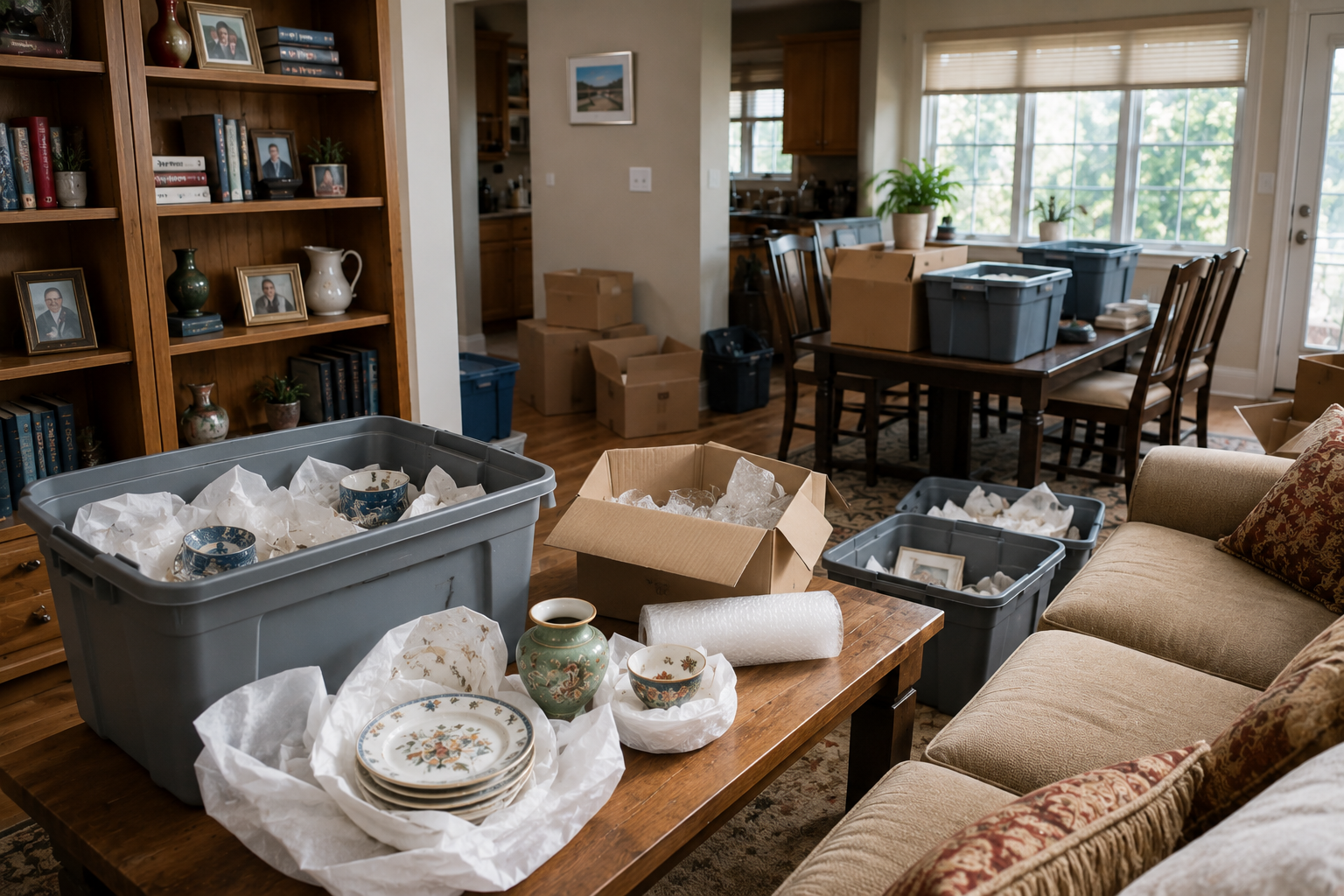
When a property needs full restoration, contents are packed out to a climate-controlled facility where cleaning and storage happen while structural work proceeds. Every item is inventoried before it leaves the property. The inventory documents condition at time of pack-out and serves as the basis for the insurance contents claim.
This is the step most property owners skip when they attempt to manage restoration without professional help. Without a documented pack-out inventory, the contents portion of the insurance claim is based on the homeowner’s recall rather than physical documentation. The difference in claim outcomes is significant.
After a fire and smoke damage event, the pack-out process is particularly critical because smoke contamination continues to affect contents while they remain inside a structure that has not yet been remediated. Moving contents to a clean environment stops the ongoing contamination and gives the cleaning process the best possible starting point.
What Makes an Item a Total Loss vs. Restorable
The determination is made through a cleaning trial on a representative area of the item. If the trial demonstrates that the contamination can be removed to an acceptable standard without damaging the item, it is classified as restorable. If the trial shows the contamination has permanently altered the material, or if structural damage prevents restoration, the item is classified as a total loss and replaced under the contents coverage of the insurance policy.
Items that are classified as restorable cost less to handle than replacements. This benefits both the property owner and the insurance claim outcome. Restoration companies are incentivized to recover as much as possible because the work is part of the restoration scope.
How Contents Restoration Affects the Insurance Claim
The contents portion of a homeowner policy covers the replacement cost of damaged personal property. Professionally restored items count against the contents coverage at the cost of restoration, which is almost always less than the replacement cost of the item. Maximizing contents restoration reduces the total contents claim while preserving the items themselves.
For property owners going through reconstruction after a water damage loss, having contents handled by the same team managing the structural restoration keeps the documentation organized and ensures the contents inventory is integrated into the full insurance submission rather than managed separately.
Frequently Asked Questions
Q: What can contents restoration recover after a disaster?
A: Professional contents restoration recovers furniture, clothing, electronics, documents, photographs, artwork, and most personal property exposed to water, smoke, soot, or fire damage. The process uses ultrasonic cleaning, ozone treatment, freeze-drying for documents, and material-specific cleaning protocols to recover items that appear destroyed on visual inspection. Each item is assessed individually through a cleaning trial rather than blanket-categorized as a total loss.
Q: What is a pack-out in contents restoration?
A: A pack-out is the process of inventorying and removing contents from a damaged property to a climate-controlled facility where cleaning and storage happen while structural restoration proceeds. Every item is documented before leaving the property. The inventory becomes the basis for the insurance contents claim and ensures that cleaning happens in a clean environment rather than inside a structure still being remediated.
Q: Can electronics be restored after water damage?
A: Electronics that were not powered during water exposure and received professional assessment quickly have a strong recovery rate through ultrasonic cleaning that removes mineral deposits and contamination from circuit boards. Electronics powered during a water event have significantly lower recovery rates. Each item is assessed individually rather than written off as a total loss without a restoration attempt.
Q: How does contents restoration affect my insurance claim?
A: Restored items are claimed at the cost of restoration, which is almost always less than the replacement cost of the item. Maximizing contents restoration reduces the total contents claim while preserving the actual property. A documented pack-out inventory ensures the contents portion of the claim is based on physical documentation rather than recall, which produces more complete and defensible claim outcomes.
Property damaged by fire, water, or smoke? Anderson Group International handles full contents restoration alongside structural work. Call now for a complete recovery response.