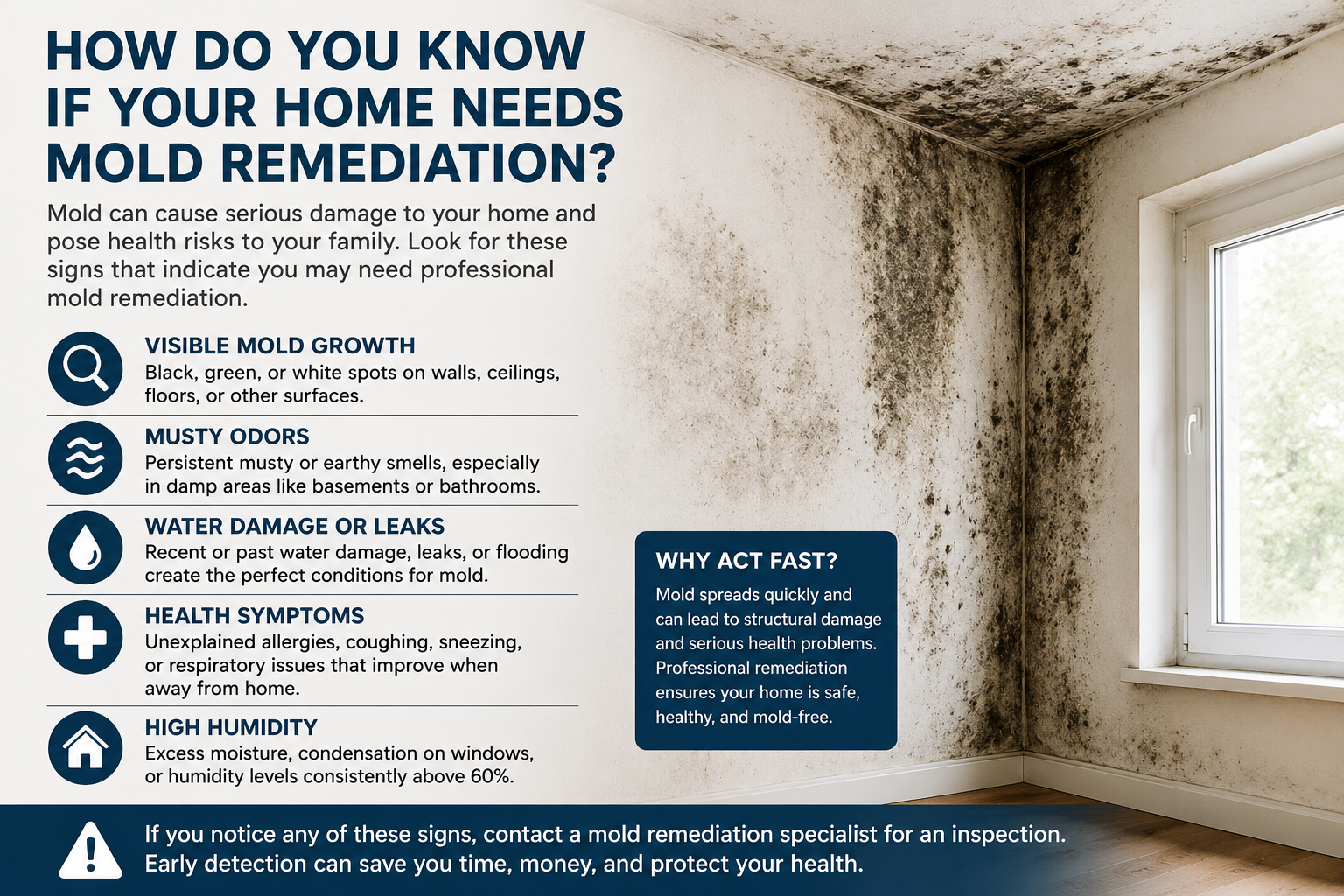
Your home needs professional mold remediation when mold growth covers more than ten square feet, when growth is inside a wall cavity or HVAC system rather than on an accessible surface, when occupants are experiencing health symptoms that improve when away from the home, or when a previous water damage event was not professionally dried. Surface mold on a visible non-porous material in a small contained area can sometimes be addressed without full remediation. Everything else warrants a professional assessment.
The line between a cleanup and a remediation is less about how much you can see and more about where the mold is and whether the moisture source has been addressed.
The Visible Signs That Warrant a Professional Assessment
Visible mold growth on walls, ceilings, or flooring is the most obvious indicator. But visible surface growth is often the smallest part of the problem. Mold visible on the surface of drywall is almost always an indication of a larger colony growing inside the wall cavity on the paper and framing behind it. The surface growth appears last, not first.
A persistent musty odor that does not clear with ventilation is often the first reliable indicator. The odor is produced by mold metabolic activity. If the smell is present, mold is actively growing somewhere in the structure even if it is not visible.
Property owners who experienced water damage that was not professionally dried should have a mold assessment done regardless of visible signs. AGI’s mold remediation assessment uses thermal imaging and calibrated moisture meters to find growth that has no surface presence, locating the colony inside the material where it is actually growing.
What Separates Remediation From Surface Cleaning
Surface cleaning removes visible mold from non-porous materials using appropriate disinfectant methods. It is appropriate for a small amount of mold on a tile surface or glass where the colony has not penetrated the material. Remediation is required when growth has penetrated a porous material, when the colony is inside a wall cavity or structural component, when the HVAC system has been contaminated, or when the growth exceeds the threshold that surface cleaning can address safely.
Attempting surface cleaning on a situation that requires remediation addresses the visible symptom while leaving the colony in place. The growth returns because the source was never removed.
The Role of the Moisture Source
Mold remediation without addressing the moisture source is a temporary solution. The colony is removed. The moisture that supported it remains. The next wet season, the next humidity cycle, or the next minor water event reestablishes growth in the same location.
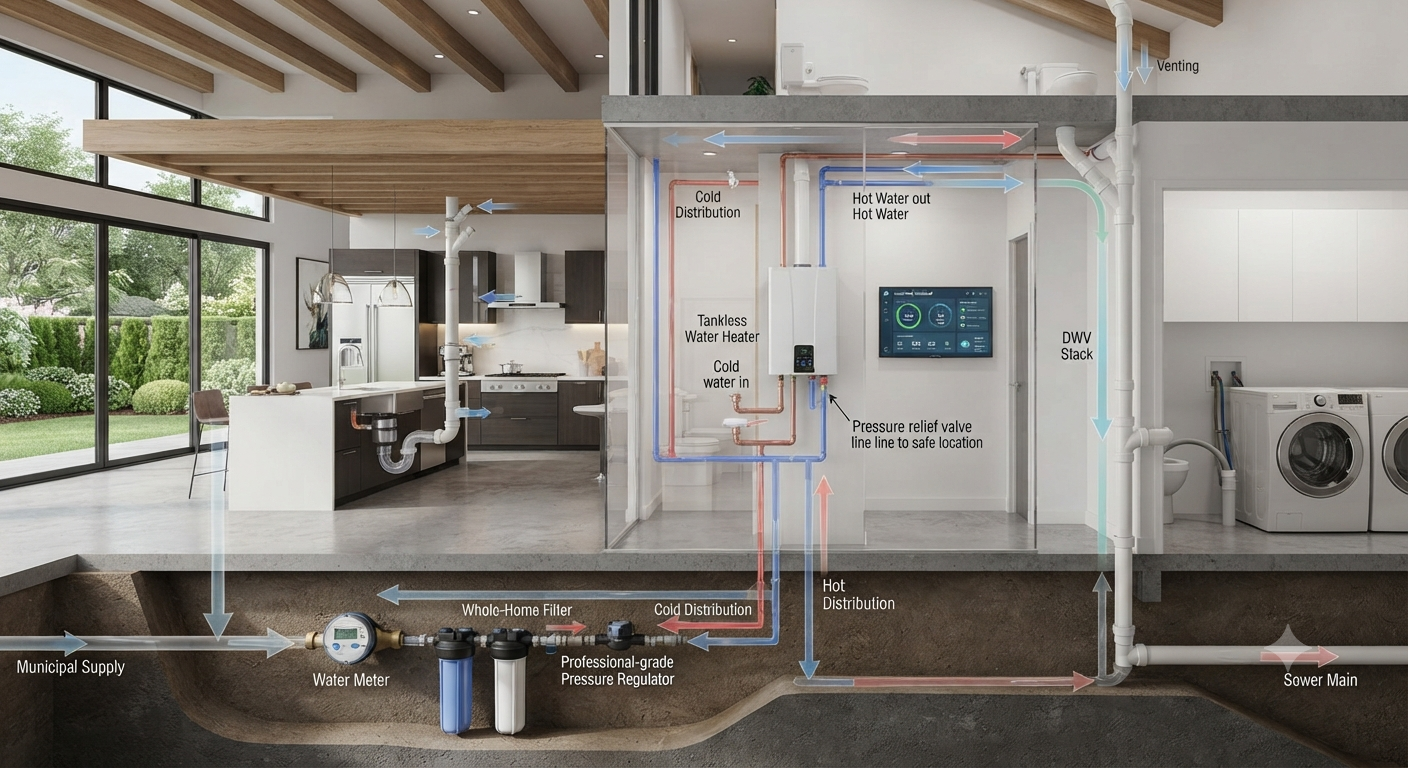
A complete remediation identifies and addresses the moisture pathway, whether that is a foundation seep, a plumbing leak, inadequate ventilation, or HVAC condensation, alongside the removal of affected materials and treatment of adjacent structural components.
AGI integrates water damage restoration and mold remediation as connected services because the moisture source that produced the mold is almost always a water intrusion issue that needs to be addressed as part of the same scope. Separating them into sequential engagements creates the gap where the mold returns.
What Professional Mold Remediation Involves
- Containment barriers to prevent spore distribution during remediation
- HEPA air filtration running throughout the remediation process
- Removal of all affected porous materials that cannot be treated in place
- Treatment of adjacent structural materials with IICRC-compliant antimicrobial agents
- HVAC assessment and cleaning if the system was exposed to the affected area
- Post-remediation clearance testing to confirm normal fungal levels have been restored
When HVAC Contamination Is a Factor
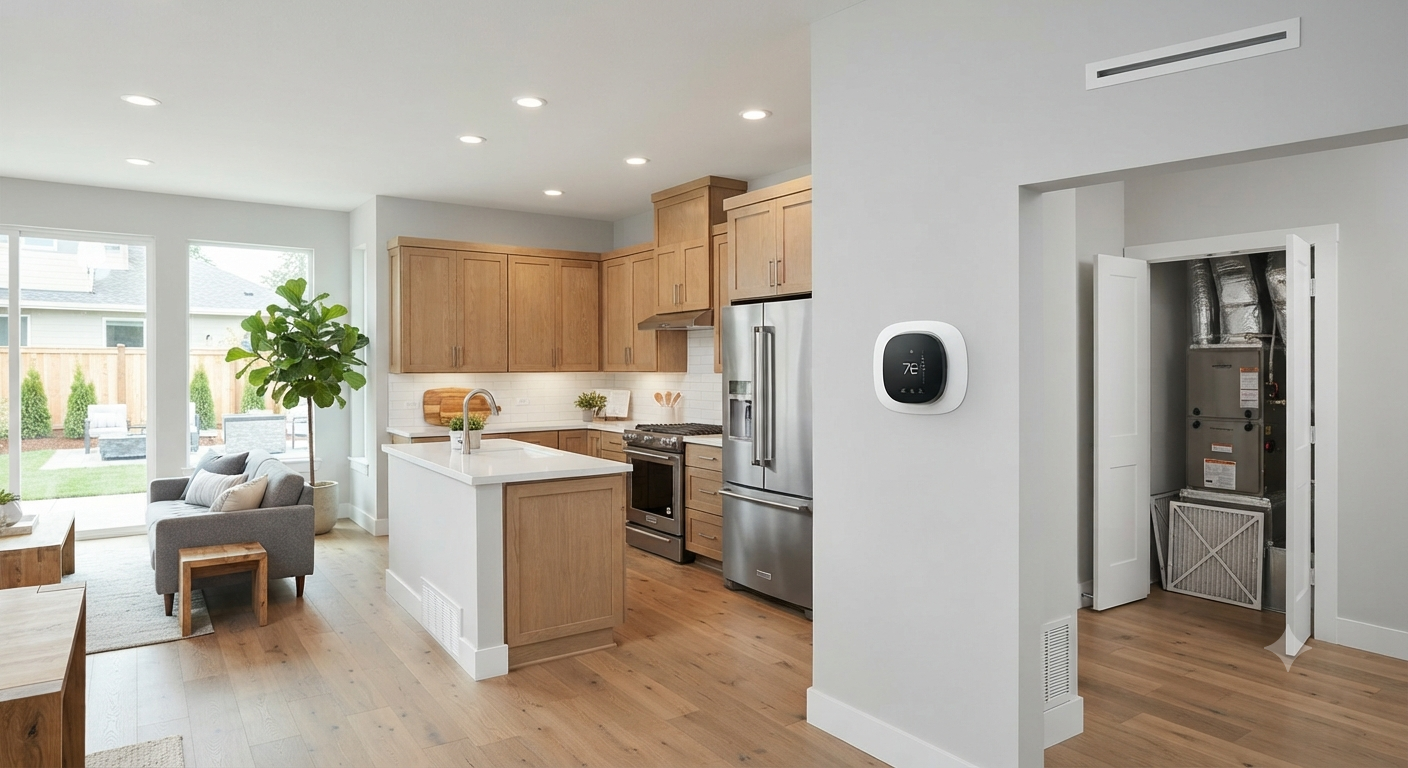
Mold that established near HVAC return vents has very likely been distributed throughout the home’s duct system. Every room connected to the system is a potential secondary growth site. Remediation that addresses the original colony without including the HVAC system leaves a distribution network that continues circulating spores after the source is removed.
AGI’s specialty services include HVAC assessment and treatment as part of mold remediation scopes where the system was exposed to the affected area. This is not an optional add-on. It is a required component of complete remediation when the system was involved.
After Remediation: What Clearance Testing Confirms
Post-remediation clearance testing uses air quality sampling to confirm that spore counts in the remediated area have returned to normal levels relative to the outdoor baseline. This documentation serves two purposes: it confirms the work is complete, and it provides the evidence record that supports the insurance claim and protects the property owner if questions arise later about remediation adequacy.
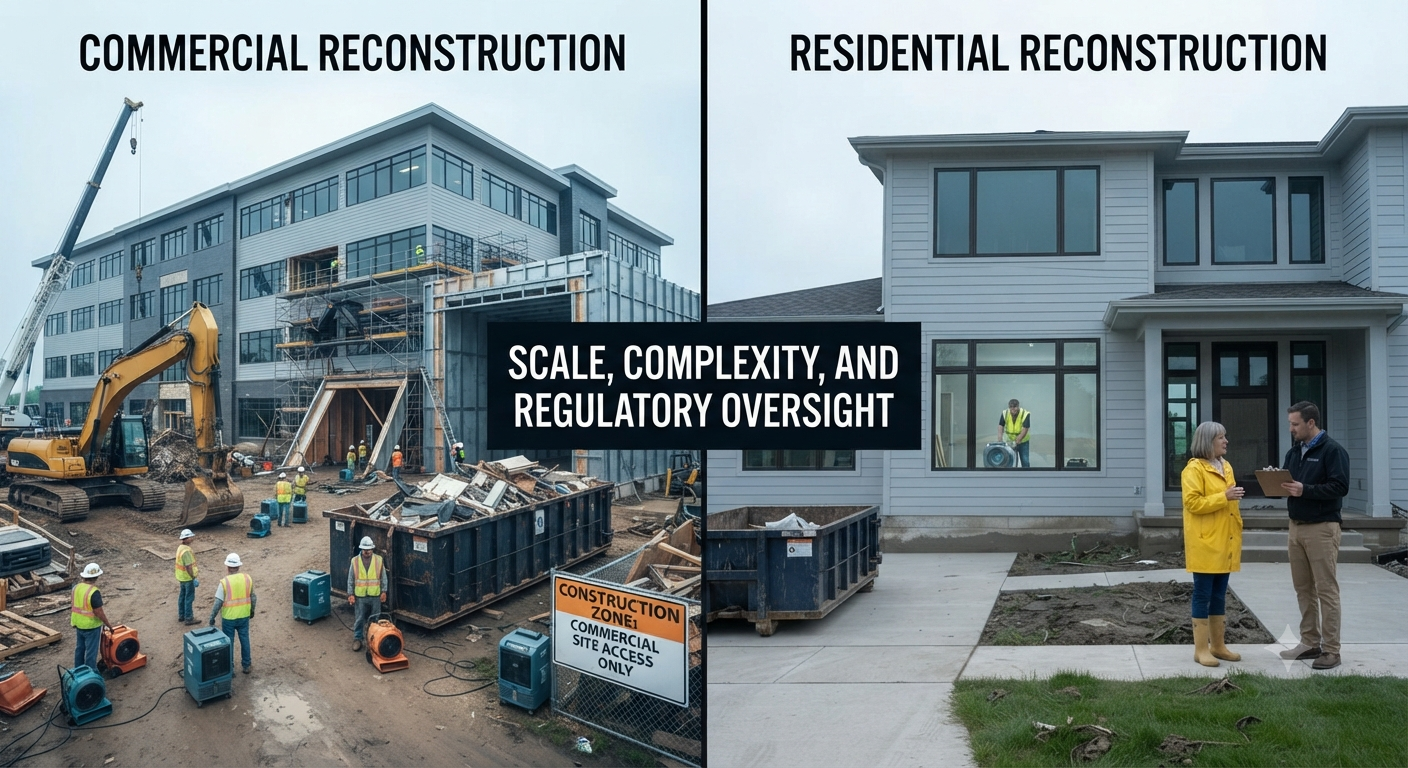
For property owners going through residential construction or renovation after a mold loss, clearance documentation is often required before walls are closed up and new materials are installed. Having that documentation in hand before reconstruction begins keeps the project on schedule.
Frequently Asked Questions
Q: How do you know if your home needs mold remediation?
A: Professional remediation is needed when mold covers more than ten square feet, when growth is inside a wall cavity or HVAC system, when occupants experience health symptoms that improve away from home, or when a previous water damage event was not professionally dried. A persistent musty odor that does not clear with ventilation is a reliable indicator of active growth even without visible mold. A professional assessment with thermal imaging and moisture meters is the only reliable way to determine the full extent of the problem.
Q: What is the difference between mold cleaning and mold remediation?
A: Mold cleaning removes visible surface growth from non-porous materials in small contained areas. Mold remediation addresses colonies that have penetrated porous materials, established inside wall cavities or structural components, or contaminated HVAC systems. Remediation includes containment, HEPA filtration, removal of affected materials, treatment of adjacent structure, and post-remediation clearance testing. Applying cleaning to a situation that requires remediation addresses the surface symptom while leaving the colony in place.
Q: Does mold come back after remediation?
A: Properly completed mold remediation with the moisture source addressed does not produce recurrence. Mold returns when the moisture source was not identified and eliminated as part of the remediation scope, or when the remediation was incomplete and left viable growth in the material. Post-remediation clearance testing confirming normal spore counts, combined with moisture source correction, produces a lasting result.
Q: Does insurance cover mold remediation?
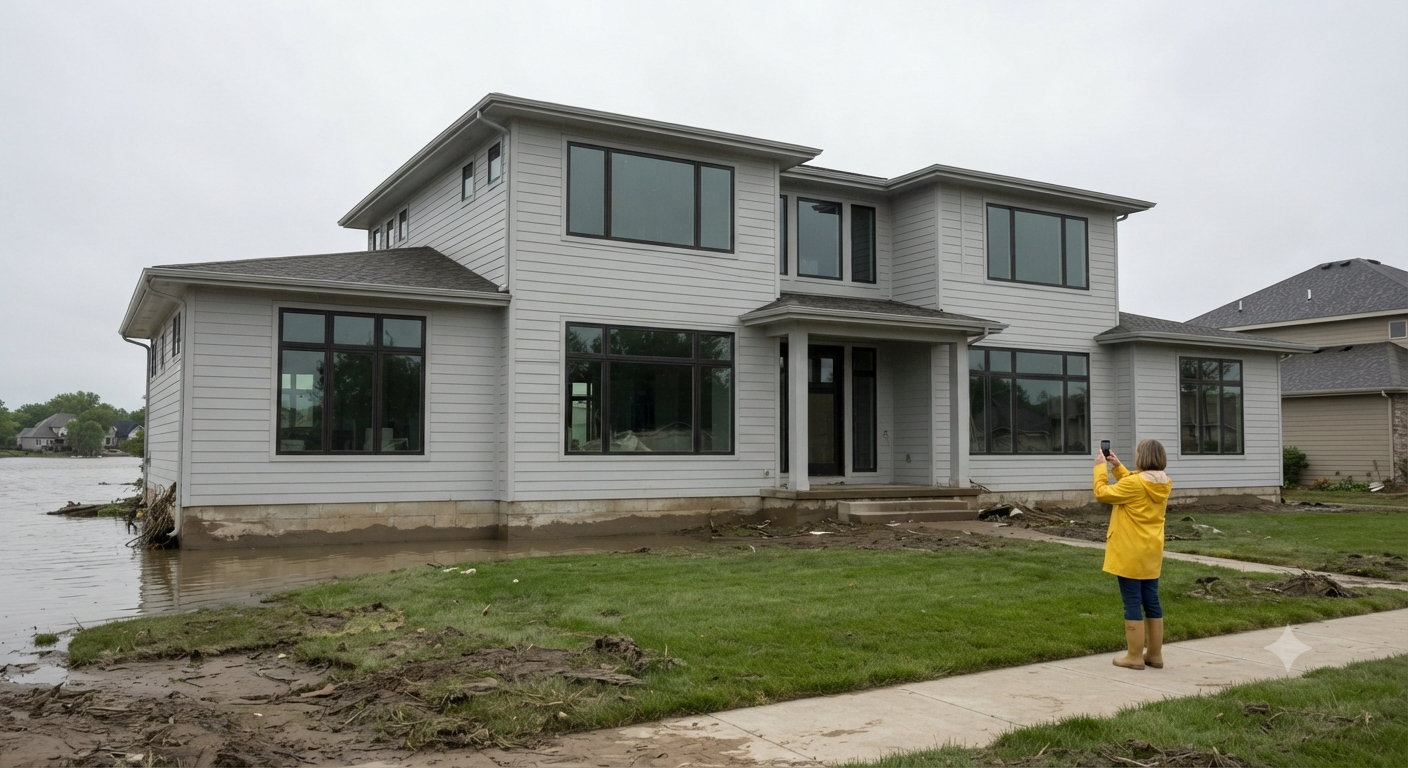
A: Mold remediation is covered by homeowners insurance when the mold resulted from a covered sudden water event such as a burst pipe. Mold from long-term neglect, flooding from outside the home, or chronic humidity issues is typically excluded. Documentation connecting the mold to a specific covered water event is the critical factor in claim approval. Working with a restoration company that prepares this documentation as part of the standard scope gives the claim its strongest basis.
Mold in your home after a water event? Anderson Group International handles assessment, remediation, moisture source correction, and clearance testing. Call now for a certified response.