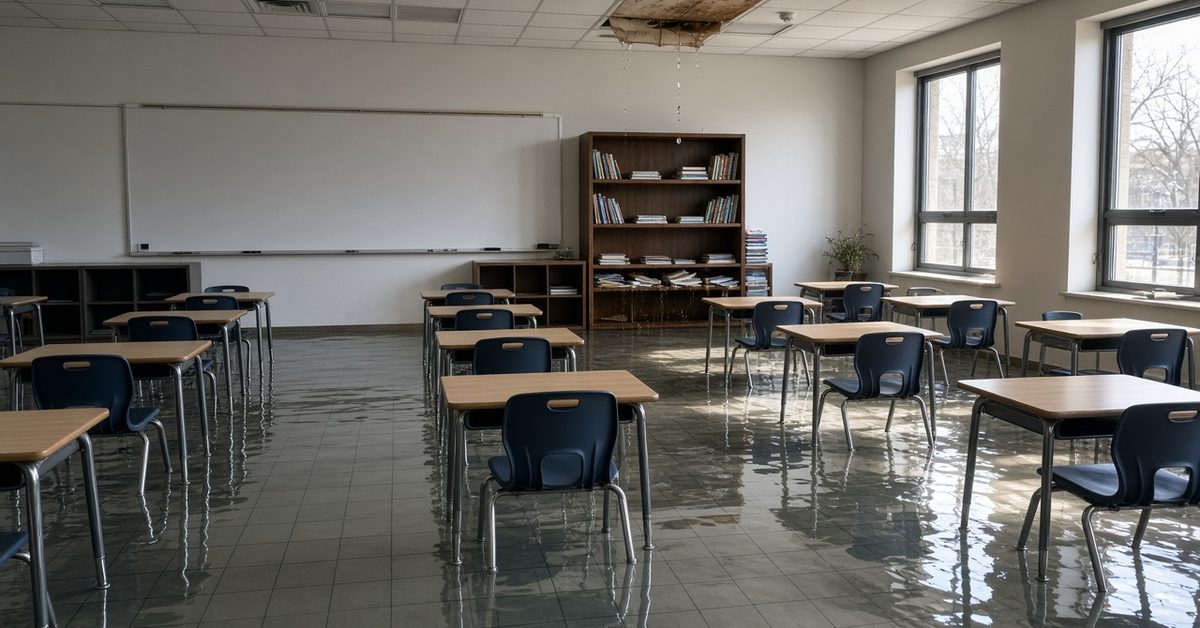
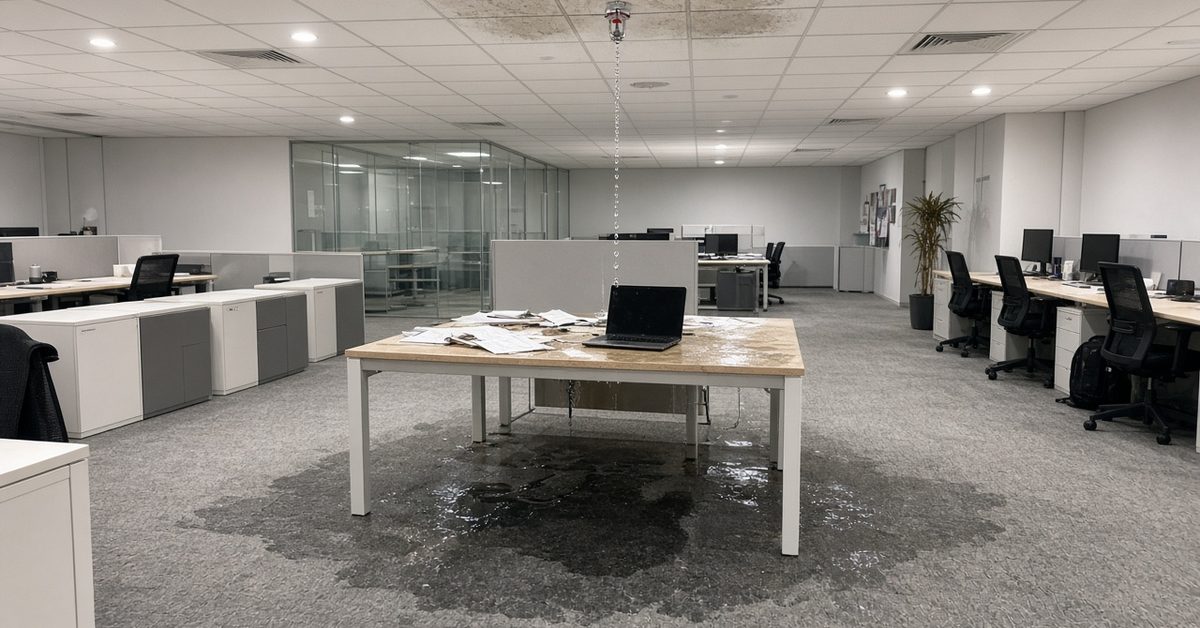
Fire sprinklers save lives and property, and they do their job well. But when a sprinkler head opens or a pipe breaks without a fire, the result is a lot of water in a short amount of time. A single sprinkler head can discharge a large volume of water every minute until the system is shut down, and it keeps flowing until someone closes the right valve.
We respond to sprinkler discharges in offices, retail stores, warehouses, hotels, and apartment buildings. Here is why they happen, what to do in the first minutes, and how commercial spaces get back in business.
Why Sprinklers Discharge Without a Fire
Accidental discharges happen more often than people expect. Common causes include:
- Wet-pipe systems in unheated areas, like loading docks, attics, parking garages, and entry vestibules, can freeze and split.
- Physical damage. A forklift, a ladder, or a box stacked too high strikes a sprinkler head and breaks it.
- Heat without fire. A head installed too close to a heater, skylight, or kitchen equipment can activate from heat alone.
- Corrosion and age. Older pipes and fittings can leak or fail, especially in systems with poor water quality.
- Hanging things from sprinkler heads is a common cause in apartments and hotels.
The First Minutes
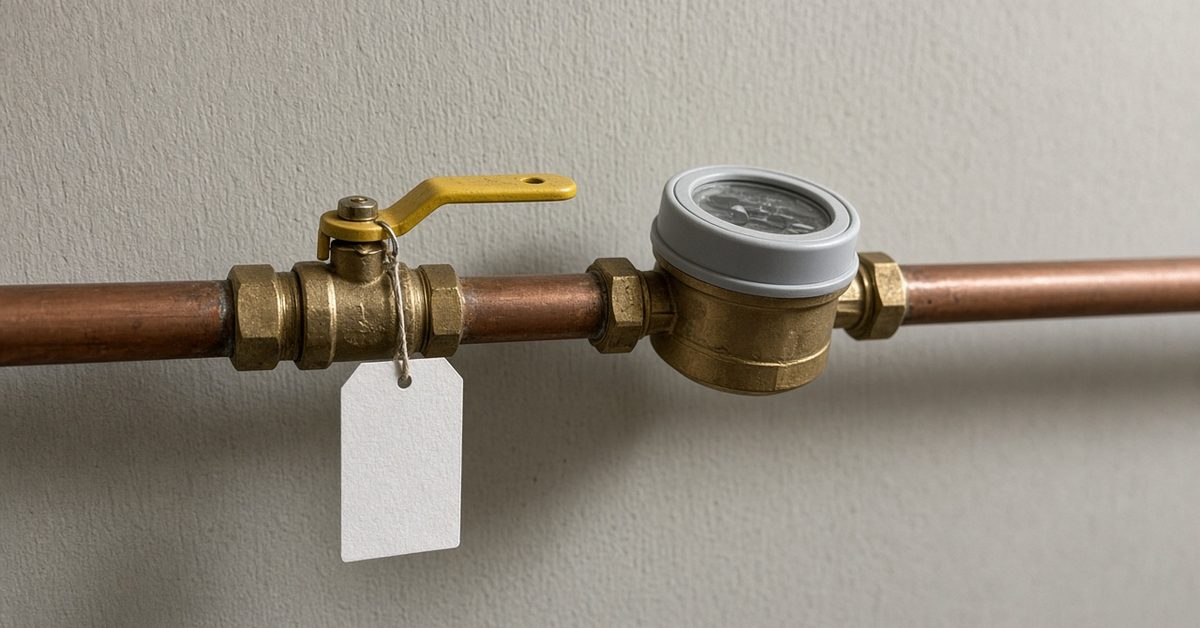
The single most important step is shutting down the system quickly. Every building’s main sprinkler control valve should be clearly marked, and key staff should know where it is. Many sprinkler systems are monitored and will alert the fire department automatically, so expect a response.
Once water is off, cut power to affected areas, move inventory and equipment out of the water, and document the scene. Then call a restoration company with commercial emergency response capability.
Why Sprinkler Water Is a Special Case
Water that has been sitting in sprinkler pipes for years is not like tap water. It is often dark, full of rust and sediment, and can have an oily residue or a strong odor. That means cleanup involves more than drying. Surfaces and materials it touched often need cleaning, and some porous materials that would survive clean water have to be removed.
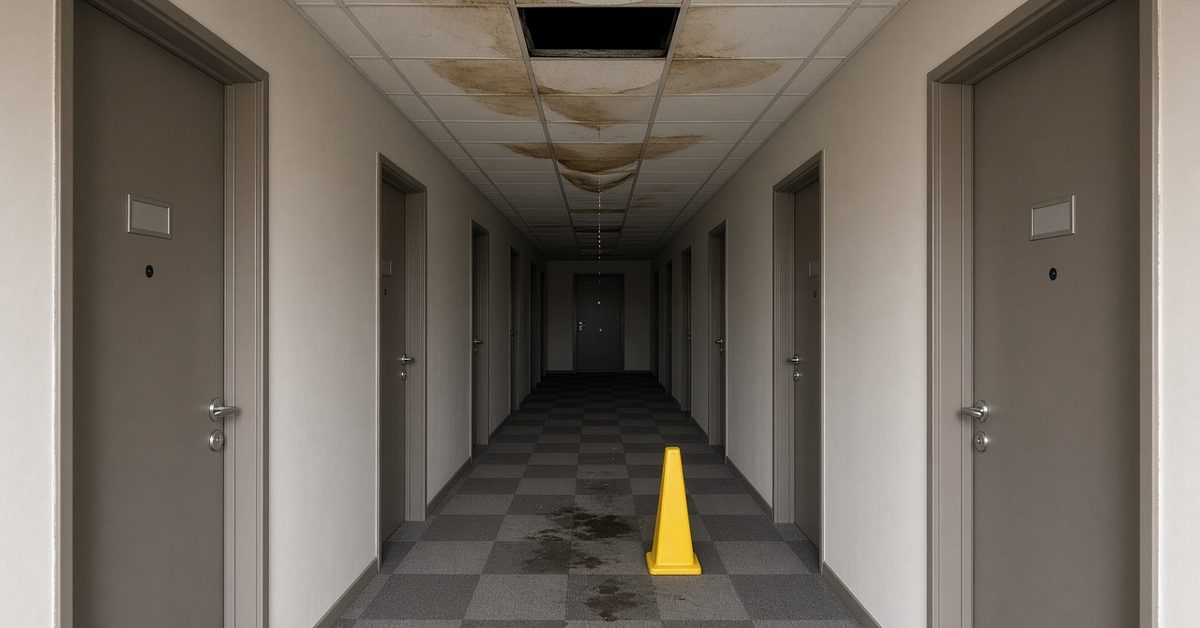
Sprinkler water also comes from above, so it soaks ceiling tiles, insulation, lighting, and everything below: desks, electronics, inventory, and flooring.
How Commercial Water Damage Restoration Works
Professional water damage restoration starts with extracting standing water and mapping moisture across ceilings, walls, and floors. Ceiling tiles and wet insulation are removed. Walls may need cuts at the base to dry the cavities. Commercial flooring, whether carpet tile, vinyl plank, or wood, is assessed and dried or removed.
For businesses, the drying plan is built around getting operations running. That may mean drying in phases, working after hours, setting up temporary work areas, and prioritizing the spaces that bring in revenue.
Large Losses and Multi-Floor Buildings
In multi-story buildings, a sprinkler discharge on an upper floor can send water through several floors below. Warehouses can see inventory losses across large areas. These losses need crews, equipment, and project management at a scale that a small local company may not have. That is where catastrophe response capability matters, with the ability to mobilize large teams and equipment fast.
Rebuilding
Once the structure is dry, repairs include ceiling grids and tiles, drywall, insulation, flooring, and finishes. Coordinating that work with tenants, landlords, and insurers is a big part of getting back open. Our commercial construction team handles rebuilds so the same company is accountable from mitigation through final walkthrough.
Preventing the Next One
Have sprinkler systems inspected and maintained on schedule. Keep heat on in spaces with wet-pipe systems during cold weather, or consider a dry system for unheated areas. Train staff on the location of control valves. Keep storage well below sprinkler heads, and never hang anything from them.
Frequently Asked Questions
Why does sprinkler water smell and look dirty?
Water in sprinkler pipes can sit for years without moving. Over that time, it picks up rust, sediment, and sometimes oily residue from the pipes. That’s why sprinkler discharges often leave dark staining and odors, and why affected materials need cleaning, not just drying.
Who should shut off the sprinkler system?
Key staff should know where the main sprinkler control valve is and when it’s appropriate to close it. In many cases, the fire department will respond to a monitored system and confirm there’s no fire before the system is shut down. After shutdown, the system should be restored by a licensed sprinkler contractor.
Is sprinkler water damage covered by insurance?
Accidental sprinkler discharges are commonly covered under commercial property policies, but details vary. Freezing losses may be limited if heat wasn’t maintained. Business interruption coverage can help with lost income while the space is restored.
How quickly can a business reopen after a sprinkler discharge?
Smaller discharges may allow a business to reopen in parts within a few days. Larger losses affecting multiple floors or inventory take longer. Drying in phases, working after hours, and setting up temporary work areas all help shorten the time a business is closed.
Ready at Any Scale
Anderson Group International responds to commercial water losses of any size across the country. Call 1-800-994-7575 for 24/7 emergency service.