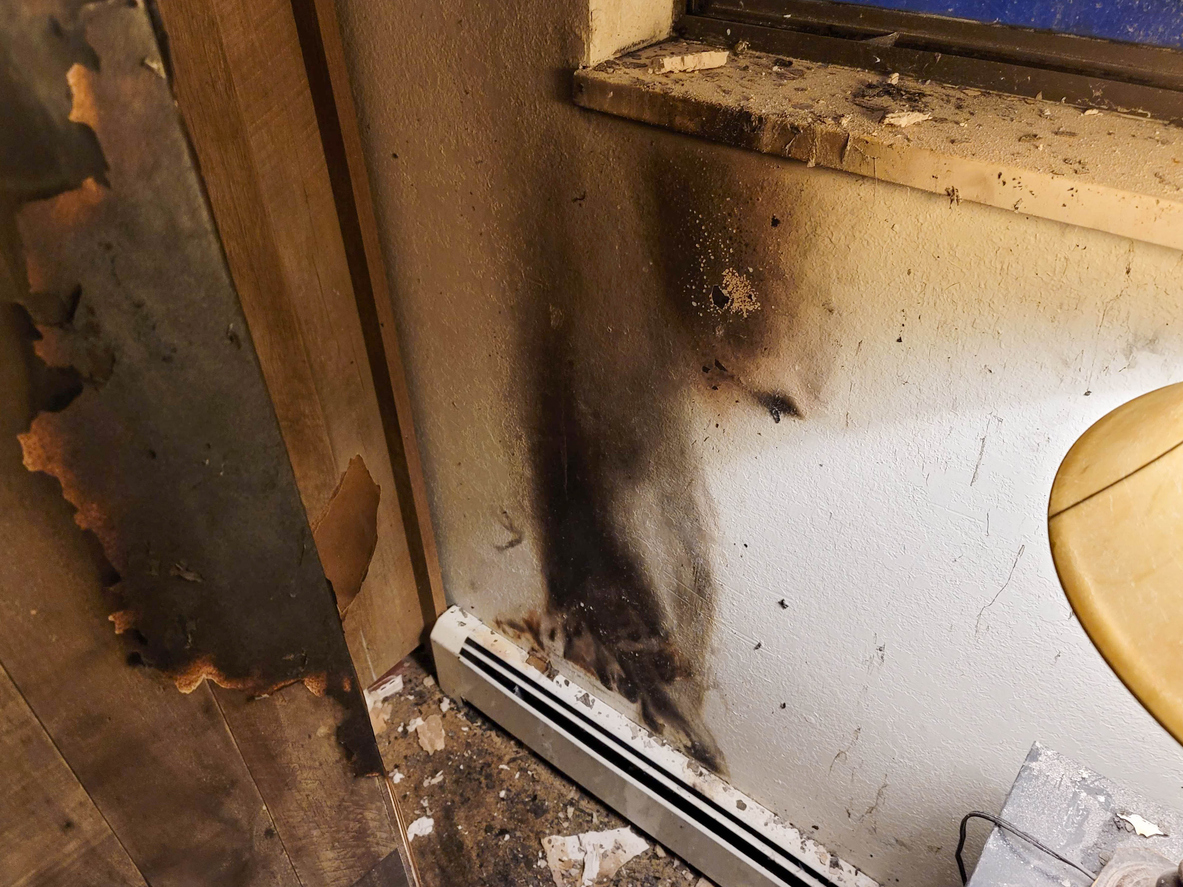
A fire does not have to tear through an entire property to leave behind serious problems. In many homes and commercial buildings, the most expensive issues begin after the flames are out. What looks minor on the surface can spread through insulation, vents, wall cavities, flooring, and electronics without giving obvious warning. That is why early fire damage restoration matters so much. Property owners often focus on burned materials first, but smoke particles and acidic residue move far beyond the room where the fire started. Cabinets can hold odor, metal surfaces can begin to corrode, and soft materials can absorb contaminants that keep affecting the building days later. A proper response is not just about removing damaged items, it is about understanding how far the impact traveled and stopping it before a limited incident becomes a property-wide setback. For families, this means protecting the place where daily life happens. For business owners, it means reducing disruption, protecting equipment, and lowering the chance that hidden damage causes more repairs weeks later.
One of the biggest mistakes after a fire is assuming that visible cleanup is enough. Walls may be wiped down and debris may be removed, yet the structure can still hold particles that continue to stain, smell, and wear down surfaces. This is where smoke damage cleanup becomes essential. Smoke behaves differently depending on what burned, how hot the fire was, and how long the building stayed closed afterward. It can settle into porous materials, drift into air pathways, and cling to areas that appear untouched. Office spaces, kitchens, hallways, and storage rooms may all carry residue from one localized event. Many property owners also underestimate the emotional side of it. Even when the building is still standing, the smell and discoloration make the space feel unsafe and unsettled. Real restoration helps bring confidence back into the property. It does not just make things look clean for the moment, it works to remove what remains after the chaos so the space can feel normal again.
Soot is another issue that often gets ignored until it causes more damage. It may appear like black dust, but it is far more aggressive than that. Once it settles on surfaces, it can stain paint, damage finishes, and affect electronics and mechanical systems. That is why professional soot removal services are a critical part of recovery. The wrong cleaning method can smear the residue deeper into materials or push it into new areas. In commercial settings, this can affect inventory, workstations, and shared spaces. In residential settings, it can impact furniture, ceilings, closets, and belongings that seemed far from the source. Many people try to clean too quickly with common household products, only to realize later that the marks have worsened or the smell remains. Careful removal protects both appearance and function. It also creates a clearer path for rebuilding, because surfaces must be properly treated before paint, repairs, or replacement work can truly last.
The final stage of recovery is where property owners often realize how much was still hidden beneath the surface. Lingering smoke odor can make a building feel damaged long after visible cleanup is done, and structural issues may show up in trim, drywall, flooring, and framing. This is why fire damage repair and odor removal after fire are not separate extras, they are part of full recovery. A property has not truly been restored if it still smells burned, feels unstable, or carries signs of damage in the areas people use every day. The goal is to return the space to a condition that feels safe, healthy, and dependable again. Whether the property is in Bakersfield or San Jose, the real value of a fast, complete response is that it limits long-term loss. It protects materials that can still be saved, prevents small damage from turning into deep restoration work, and helps owners move forward with fewer surprises. When fire is handled the right way from the beginning, recovery becomes much more than cleanup, it becomes a smart step toward preserving the property itself.