Short answer: Eichler radiant heat pipes leak because many original systems used steel or copper tubing cast directly into the concrete slab in the 1950s and 1960s. Decades of corrosion, slab movement, and heating cycles create pinholes. Because the pipes are buried in concrete, leaks spread water into the slab and flooring above before anyone sees a drop.
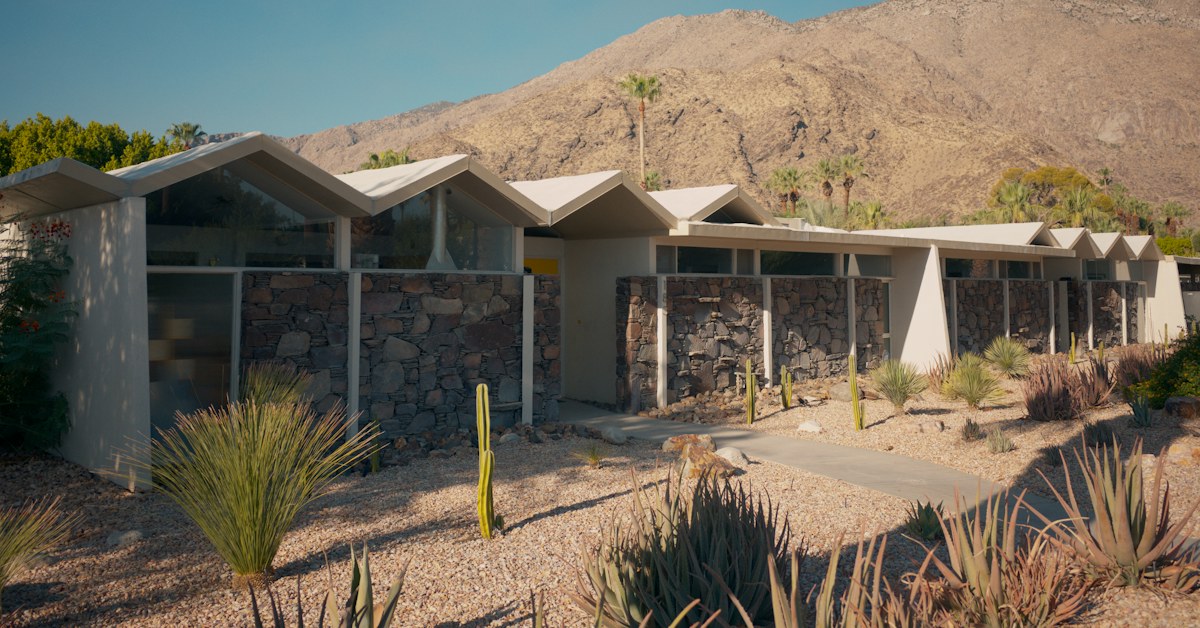
Joseph Eichler’s developer company built thousands of modernist homes across the Bay Area between the late 1940s and 1970s, with large concentrations in Palo Alto, Sunnyvale, Mountain View, Cupertino, and San Jose. A hallmark was hydronic radiant heating: hot water circulating through pipes embedded in the slab. It’s comfortable and quiet. It’s also one of the most common sources of hidden water damage in these homes.
How does Eichler radiant heating work?
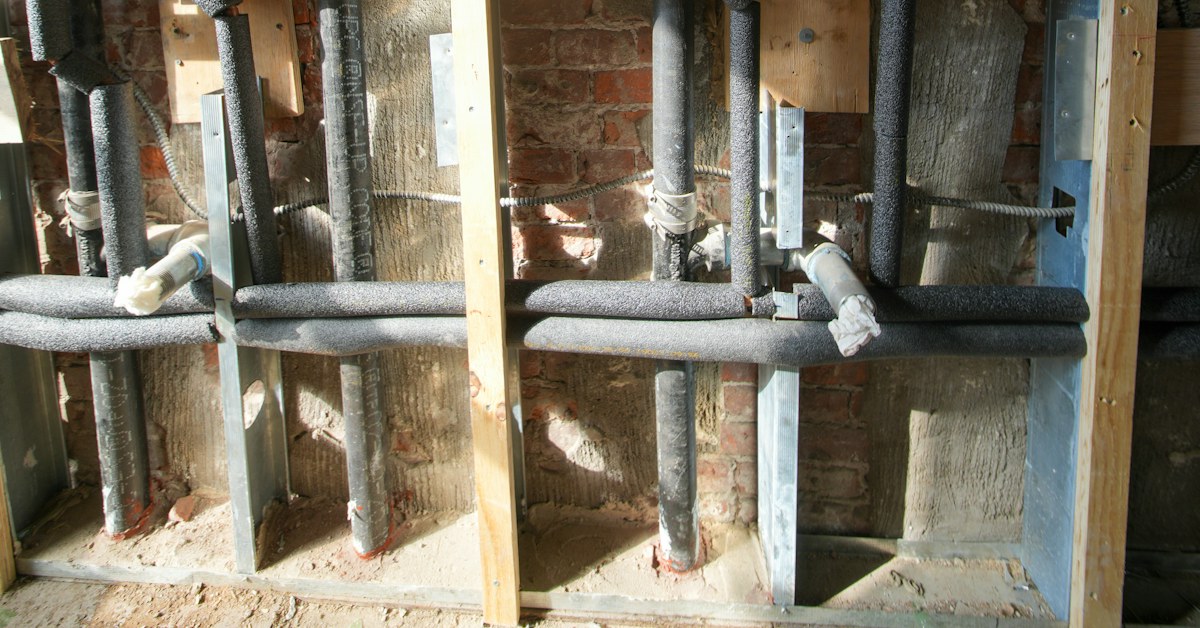
Eichler radiant heating circulates hot water from a boiler through a loop of pipes embedded in the concrete slab, warming the floor and the room above it. The slab acts as a giant radiator. Original systems typically used steel or copper tubing, depending on the era and tract.
Key features:
- Pipes cast into the slab during construction
- A boiler or water heater supplying hot water
- A closed loop that maintains pressure
- Slab-on-grade construction without a crawl space
Why do those pipes leak after decades?
Original embedded pipes leak primarily from corrosion, often accelerated by moisture and chemistry in the surrounding concrete and soil, plus stress from slab movement and repeated heating. Many systems are now more than 60 years old.
Contributing factors:
- Corrosion: steel pipes are especially prone over time
- Slab cracking: movement from soil and seismic activity stresses pipes
- Thermal cycling: heating and cooling expand and contract the metal
- Water chemistry: oxygen entering an open or leaking system speeds corrosion
- Prior repairs: patches can fail or create new weak points
What are the signs of a radiant heat leak?
The most common signs are a boiler losing pressure or needing frequent refills, warm wet spots on the floor, and flooring that lifts or cups.
Watch for:
- A pressure gauge dropping on the boiler
- An automatic fill valve running frequently
- Damp or warm patches on concrete, tile, or wood floors
- Hardwood cupping in one area
- Cracking grout or loose tile
- Higher water or gas bills without a clear cause
- Rooms that won’t heat evenly
How does leak detection and water damage repair work in an Eichler?
Leak detection and water damage repair in an Eichler means pressure-testing the radiant system, pinpointing the leak with thermal imaging and acoustic tools, and then drying and repairing the floor. Because the pipes are in the slab, precision reduces how much concrete has to be cut.
Typical sequence:
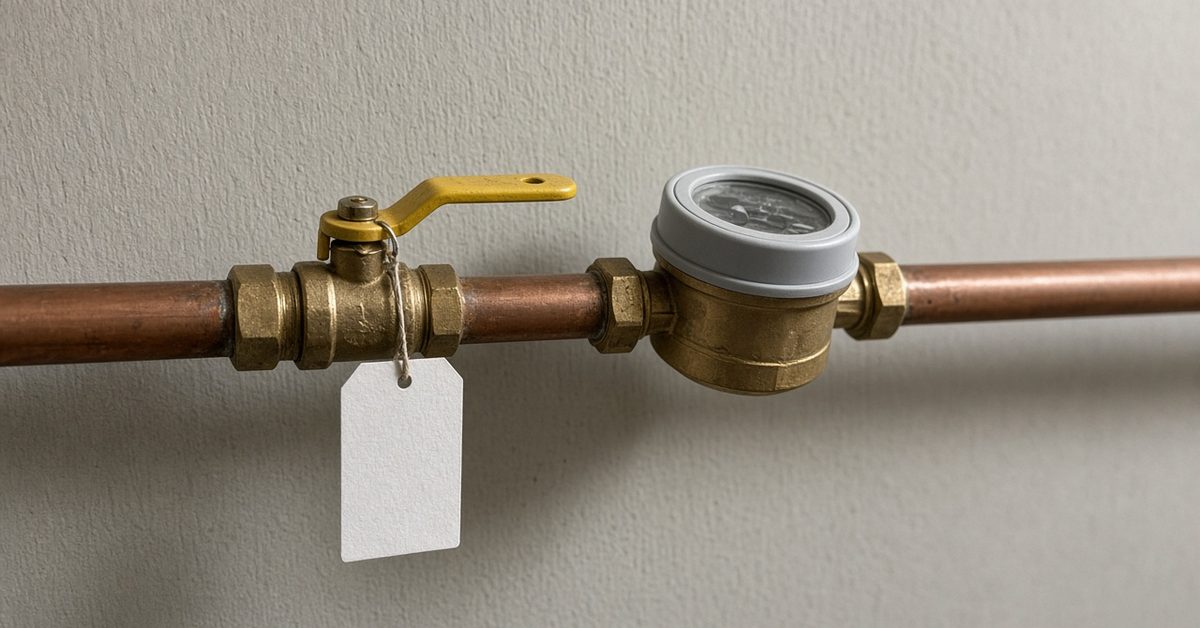
- Pressure-test the heating loop to confirm a leak
- Use thermal imaging when the system is warm to see hot spots
- Isolate the leaking zone or loop
- Repair the pipe, abandon the loop, or plan a replacement system
- Map moisture through the slab and flooring
- Dry the slab and restore finishes
Can hardwood floors over a radiant slab be saved?
Hardwood can sometimes be saved if the leak is found early and the slab is dried before the floor is refinished, but saturation from below often causes cupping or buckling. Radiant slabs are already a demanding environment for wood because of heat cycling.
Hardwood floor water damage repair options:
- Drying the wood and slab, then sanding and refinishing
- Replacing affected boards and blending them in
- Replacing the floor with a product rated for radiant heat
Should you repair or replace the radiant system?
That depends on the system’s condition, how many leaks have occurred, and your plans for the home. Some owners repair individual leaks. Others abandon the in-slab system and switch to an overhead or new radiant system. A heating specialist familiar with Eichlers can help evaluate options.
Does insurance cover radiant heat leaks?
Many policies cover sudden water damage from a leak but not the repair of the leaking pipe itself, and long-term leaks may be excluded. Document the leak and damage carefully.
Why choose water damage restoration in Palo Alto from a team in the Bay Area?
A team in the Bay Area knows Eichler construction, slab drying, and how to work carefully around mid-century finishes. Anderson Group International lists water damage restoration service areas including Palo Alto, Mountain View, Sunnyvale, Cupertino, and San Jose.
Related services: Water Damage Restoration – Palo Alto
Frequently asked questions
How do I know if my Eichler has a radiant heat leak?
A boiler that keeps losing pressure is one of the most common signs. A heating professional can confirm with a pressure test.
Can the slab be dried?
Yes, but concrete dries slowly. Moisture readings guide the process.
Is it safe to keep using the heat?
Ask a heating specialist. Continuing to run a leaking system can increase water damage.
Call Anderson Group International
If you suspect a radiant heat leak in your Eichler home, call Anderson Group International at 1-800-994-7575 for leak-related water damage restoration in Palo Alto and the Bay Area.