Short answer: Homes in Stockton can be at risk when levees in the Delta overtop or fail, because much of the city and surrounding land sits low, near the San Joaquin River and waterways in the Delta, and depends on levees for protection. Risk varies by neighborhood, so check FEMA flood maps and local levee information, and know that standard homeowners insurance usually excludes flood.
Stockton lies at the eastern edge of the Sacramento–San Joaquin River Delta, a network of channels and islands protected by an extensive levee system. Heavy winter storms, high river flows from Sierra snowmelt, and high tides can stress levees. Some areas are protected by levees maintained to higher standards than others.
Why does Stockton depend on levees?
Stockton depends on levees because much of the surrounding land is low-lying and near rivers and channels in the Delta. Levees keep water in channels during high flows.
Which homes face the most risk?
Homes in lower areas near waterways and those protected by older or lower levees face more risk. Check your address on FEMA’s flood map service and with San Joaquin County resources.
What happens if levees overtop?
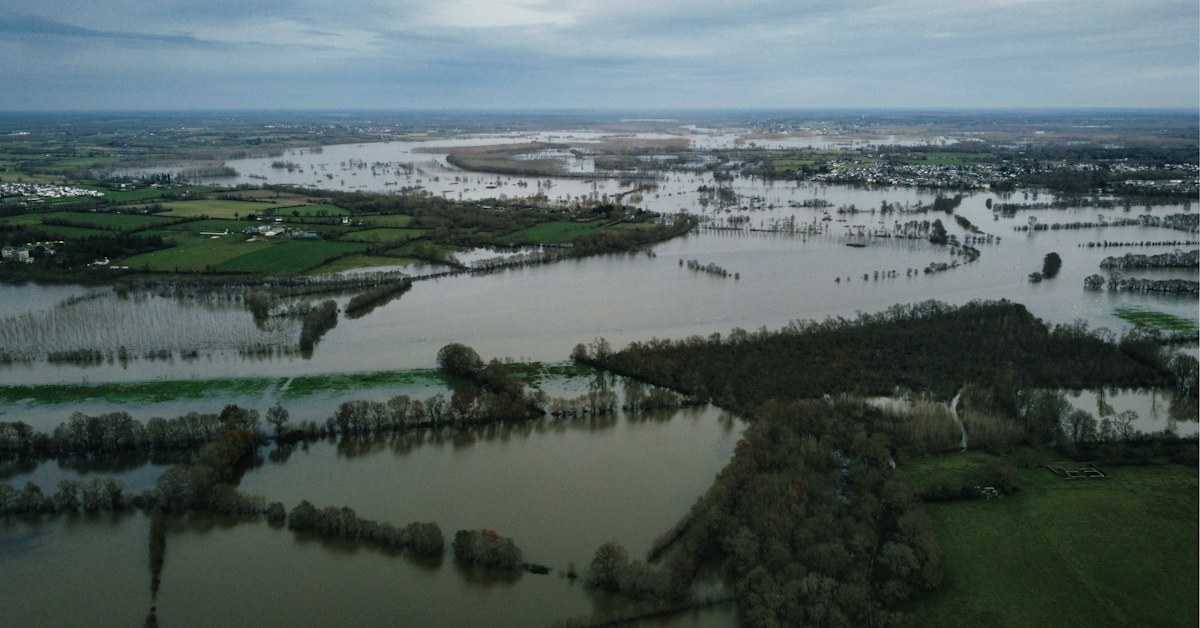
Overtopping sends water over the levee crest into protected areas, which can flood neighborhoods quickly. Floodwater is contaminated.
What does flood damage restoration include?
Flood damage restoration includes water removal, tear-out, sanitizing, drying, and rebuilding. Anderson Group International also offers catastrophe response for large-scale events.
How do you get water damage insurance claim help for flooding?
You’ll usually need a flood policy, such as NFIP, since homeowners insurance typically excludes flood.
Why call a 24 hour water damage company?
Fast response limits damage once it’s safe to enter.
What happened in past flood events in the Delta?
The Delta has a long history of levee breaks, including the 2004 Jones Tract failure that flooded farmland and the 1986 and 1997 floods that stressed levees across the region. In June 2004, a levee on Upper Jones Tract west of Stockton failed on a clear day, flooding roughly 12,000 acres. It showed that levees can fail without a storm, from seepage or burrowing animals as well as high water.
These events shape how the region plans and how residents should think about risk.
How do levee overtopping and levee failure differ?
Overtopping happens when water rises above the levee crest and spills over, while failure (a breach) happens when part of the levee gives way. Both can flood protected land, but breaches can send water in faster and over longer periods.
Factors that increase risk:
- Very high river flows from storms or snowmelt
- High tides combined with wind
- Seepage weakening levee foundations
- Burrowing animals and erosion
Which Stockton areas should pay closest attention?
Areas closest to the San Joaquin River, sloughs in the Delta, and low-lying land near levees should pay closest attention. Some neighborhoods are protected by levees certified to higher standards, while nearby areas may not be. Your exact address matters, so use FEMA’s Flood Map Service Center and San Joaquin County flood resources rather than relying on general neighborhood reputation.
What should you do when a flood warning is issued?
Follow official evacuation orders immediately and prepare your home only if there’s time.
- Sign up for San Joaquin County emergency alerts
- Move valuables, documents, and medications to upper floors or take them with you
- Turn off utilities if instructed
- Photograph your home and belongings before leaving
- Never drive through floodwater
What does recovery look like after floodwater recedes?
Recovery starts with safety checks, then documentation, mitigation, and rebuilding. Floodwater that sat for days in heat in the Central Valley can damage drywall, insulation, flooring, cabinets, and HVAC equipment.
Flood damage restoration steps:
- Inspect for structural, electrical, and gas hazards
- Remove water, mud, and debris
- Tear out porous materials below the waterline
- Clean and sanitize all surfaces
- Dry the structure with commercial equipment
- Rebuild and restore contents
Anderson Group International offers water damage restoration in Stockton and catastrophe response for large-scale events.
How does flood insurance work for homeowners in Stockton?
Flood insurance through NFIP or a private insurer typically covers flood damage that homeowners policies exclude, with separate building and contents coverage. NFIP policies usually have a 30-day waiting period, so buying coverage after a storm forecast is usually too late.
Water damage insurance claim help after a flood:
- Report the loss to your flood insurer quickly
- Keep photos of waterlines and damage
- Save samples or photos of removed materials
- List damaged contents with approximate values
- Ask your restoration company for detailed documentation
Related services: Water Damage Restoration – Stockton
Frequently asked questions
Is flood insurance required?
For federally backed mortgages in high-risk zones, typically yes.
How do I check my flood zone?
Use FEMA’s Flood Map Service Center.
Does Anderson Group International serve Stockton?
Yes, Stockton is listed among its water damage service areas.
Call Anderson Group International
If floodwater has reached your home in Stockton, call Anderson Group International at 1-800-994-7575.