
Short answer: Water damage in a Victorian flat in San Francisco is handled by stopping the source, checking every unit below, tracing water through plumbing chases and old wall cavities, and drying plaster, lath, and old-growth redwood framing carefully. Repairs often mix plaster restoration with modern drywall, and coordination among owners, tenants, and insurers is part of the job.
San Francisco’s Victorian and Edwardian buildings, found in neighborhoods like the Haight, the Mission, Noe Valley, Pacific Heights, and the Western Addition, were mostly built from the 1870s through the early 1900s. Many have been converted into stacked flats. They’re beautiful and durable, but water behaves differently in them than in modern construction.
What makes Victorian flats different?
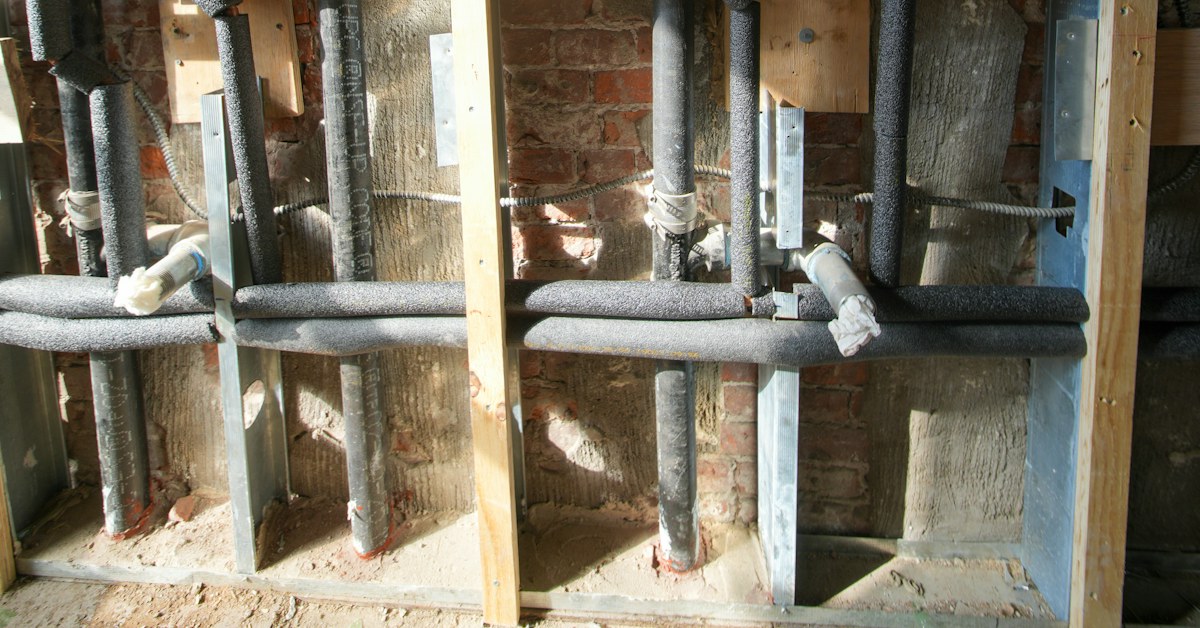
Victorian flats combine stacked units, original plaster and lath, old-growth redwood framing, and plumbing that has been modified many times over a century. Each feature affects how water travels and how it’s repaired.
Key characteristics:
- Bathrooms and kitchens often stacked vertically
- Plaster and lath walls and ceilings, sometimes with ornate trim
- Redwood or Douglas fir framing
- Galvanized, copper, and modern plumbing mixed together
- Shared walls and common areas
How does water travel in these buildings?
Water follows plumbing chases, framing, and gaps in old wall cavities, often appearing far from the source. A leaking toilet upstairs may show up as a stain in a downstairs hallway.
What is emergency water damage repair in a flat?
Emergency water damage repair means stopping the water, protecting people from electrical hazards and falling plaster, and starting extraction and drying quickly.
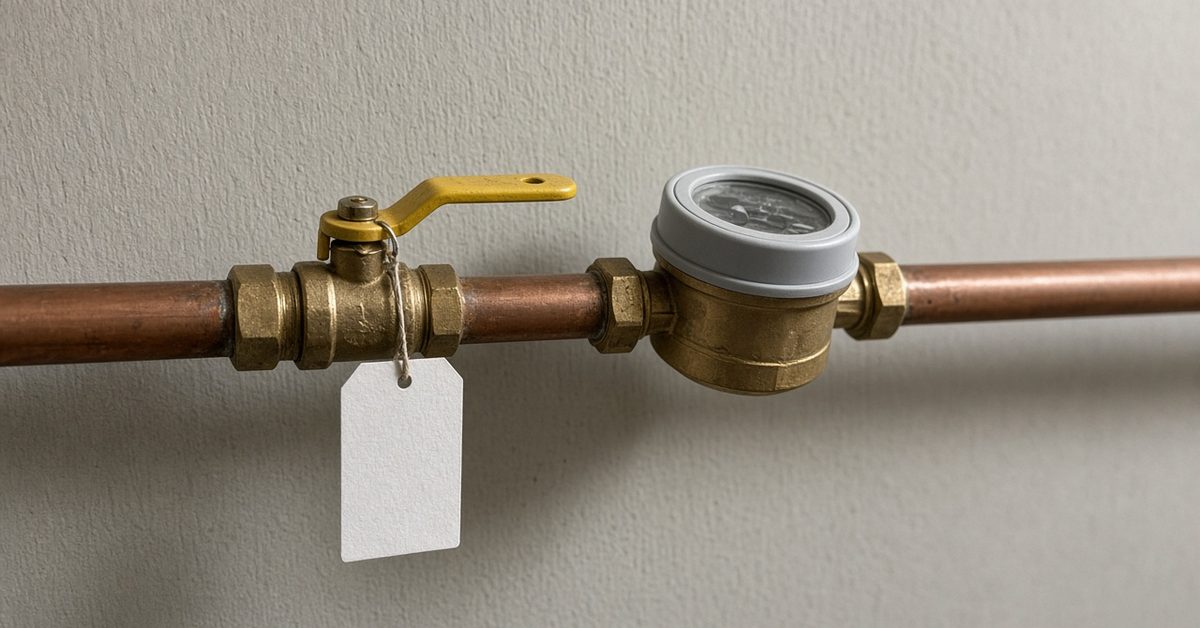
- Shut off the water to the unit or building
- Turn off power to affected areas
- Keep people away from sagging ceilings
- Notify other units and the property manager
- Document damage in every unit
How is ceiling water damage repaired in plaster ceilings?
Ceiling water damage repair in plaster ceilings depends on whether the plaster is still bonded to the lath, with options ranging from drying and refinishing to removal and replacement. Ornate ceiling medallions and decorative trim require special care.
How is water damaged drywall repaired in a mixed-material building?
Water damaged drywall repair in a Victorian often involves matching drywall to adjacent plaster thickness and texture so the repair is invisible. Many flats have drywall from past renovations alongside original plaster.
What about belongings?
Contents in affected units may need cleaning, drying, or pack-out. Anderson Group International offers contents restoration services.
Why does old redwood framing matter during drying?
Old-growth redwood and Douglas fir framing in Victorian buildings is dense and durable, but it still absorbs water and must be dried thoroughly before walls and ceilings are closed. Old-growth redwood is naturally resistant to decay, which is one reason many of these buildings have lasted more than a century. That doesn’t eliminate the need to dry it.
Drying framing involves:
- Opening affected areas to allow airflow
- Using dehumidifiers and air movers
- Monitoring moisture in framing and comparing to dry areas
How is water traced through plumbing that’s been changed many times?
Tracing water in a Victorian often means following a mix of original and newer plumbing through chases, walls, and floors. Galvanized steel, copper, cast iron, and modern PEX may all be present. Technicians use moisture meters and thermal imaging to follow the water path without opening more than necessary.
Common sources:
- Toilet and tub drains in upper units
- Corroded galvanized supply lines
- Radiator or boiler piping
- Roof and bay window leaks
Is lead paint a concern in these buildings?
Yes, most Victorian and Edwardian buildings predate 1978 and may contain lead-based paint, so disturbed surfaces require lead-safe work practices. Ask how lead-safe procedures will be followed before plaster or painted trim is removed.
How are ornate ceilings and trim protected?
Ornate plaster ceilings, medallions, crown trim, and cornices are protected by drying in place when possible, supporting loose sections, and repairing rather than replacing when practical. Skilled plaster work can restore detail that drywall can’t replicate.
Who coordinates repairs across multiple units?
Repairs across units are usually coordinated through the building owner, HOA, or property manager, with each party’s insurer involved. Clear documentation by unit helps sort out responsibility.
What about tenants and occupants?
Tenants may need to relocate temporarily if their unit is unsafe or unusable, and San Francisco has specific rules for tenant relocation during repairs. Building owners should understand their obligations under local rules before work begins.
How fast should help arrive?
As fast as possible, because water in a stacked building spreads to more units the longer it runs. Emergency water damage repair should begin the same day. Anderson Group International advertises 24/7/365 emergency response and lists San Francisco among its water damage service areas.
Related services: Water Damage Restoration – San Francisco
Frequently asked questions
Do all units need inspection?
Yes. Water often passes through middle units.
Can old plaster be saved?
Often, if bonded and dried quickly.
Who pays in a multi-unit building?
It depends on the building’s policies and agreements.
Call Anderson Group International
For water damage in a Victorian flat in San Francisco, call Anderson Group International at 1-800-994-7575.