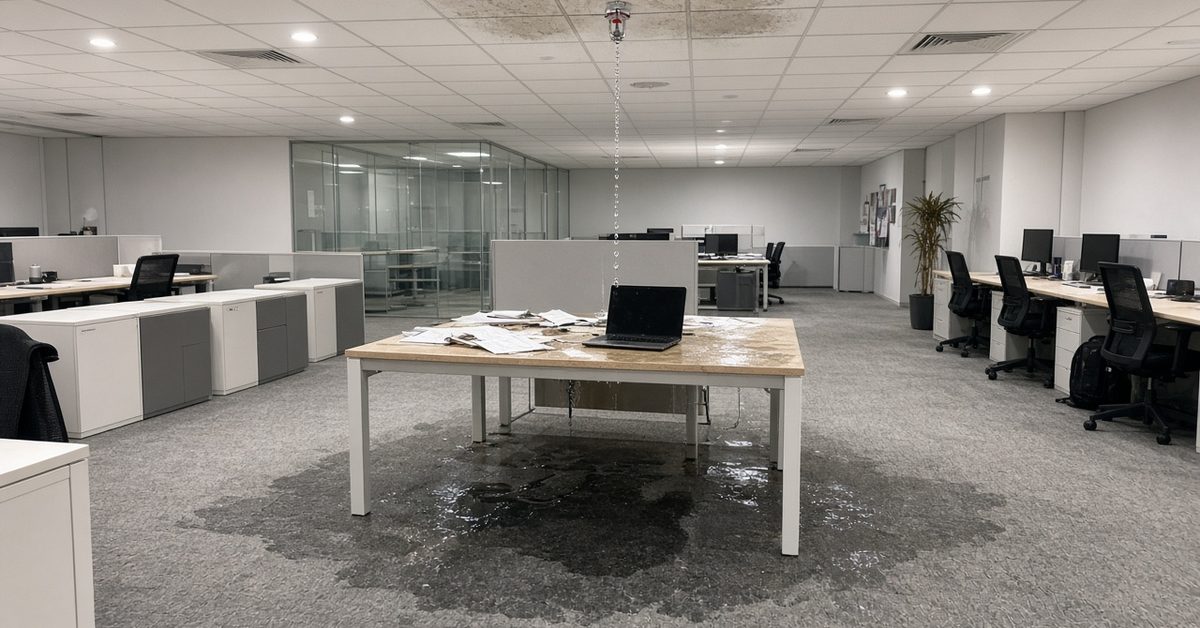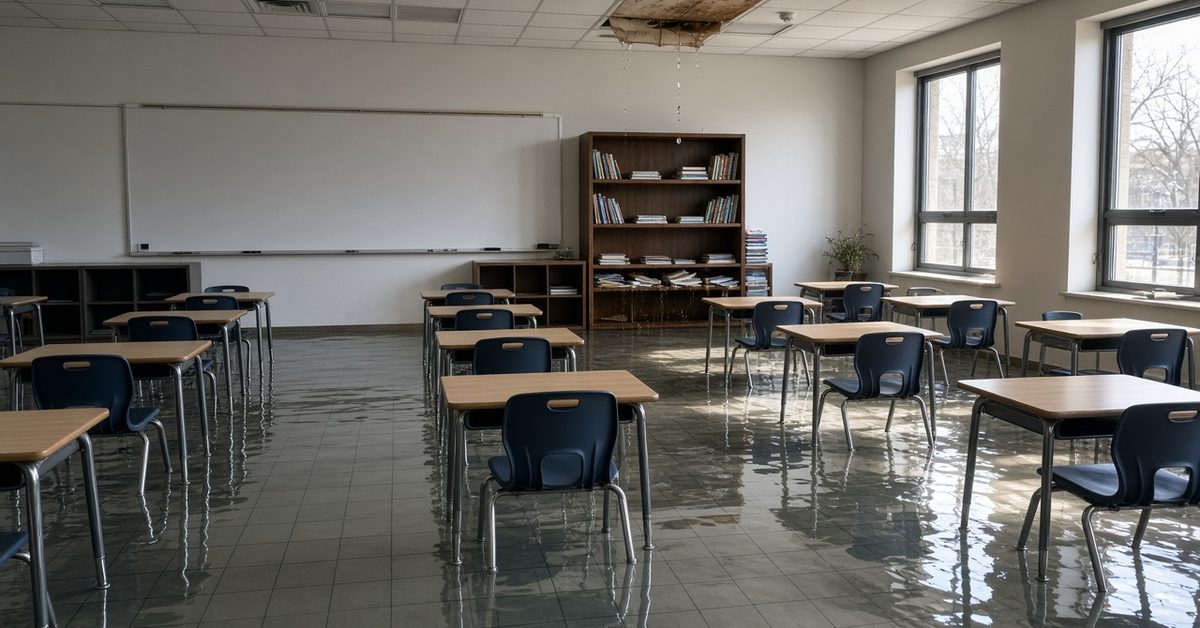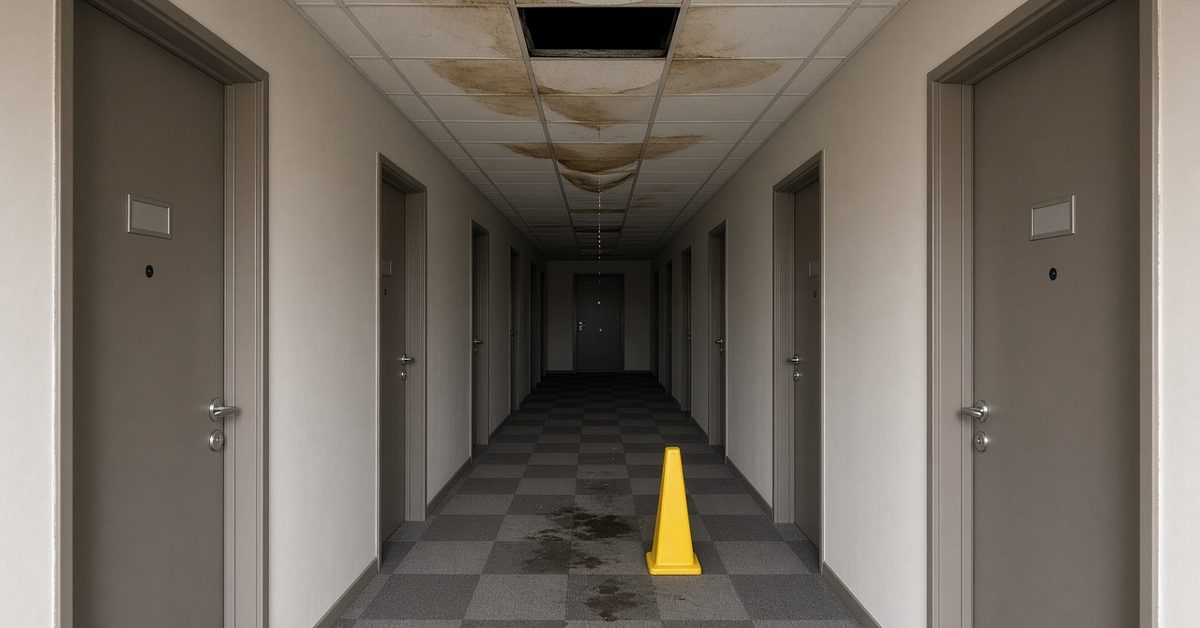
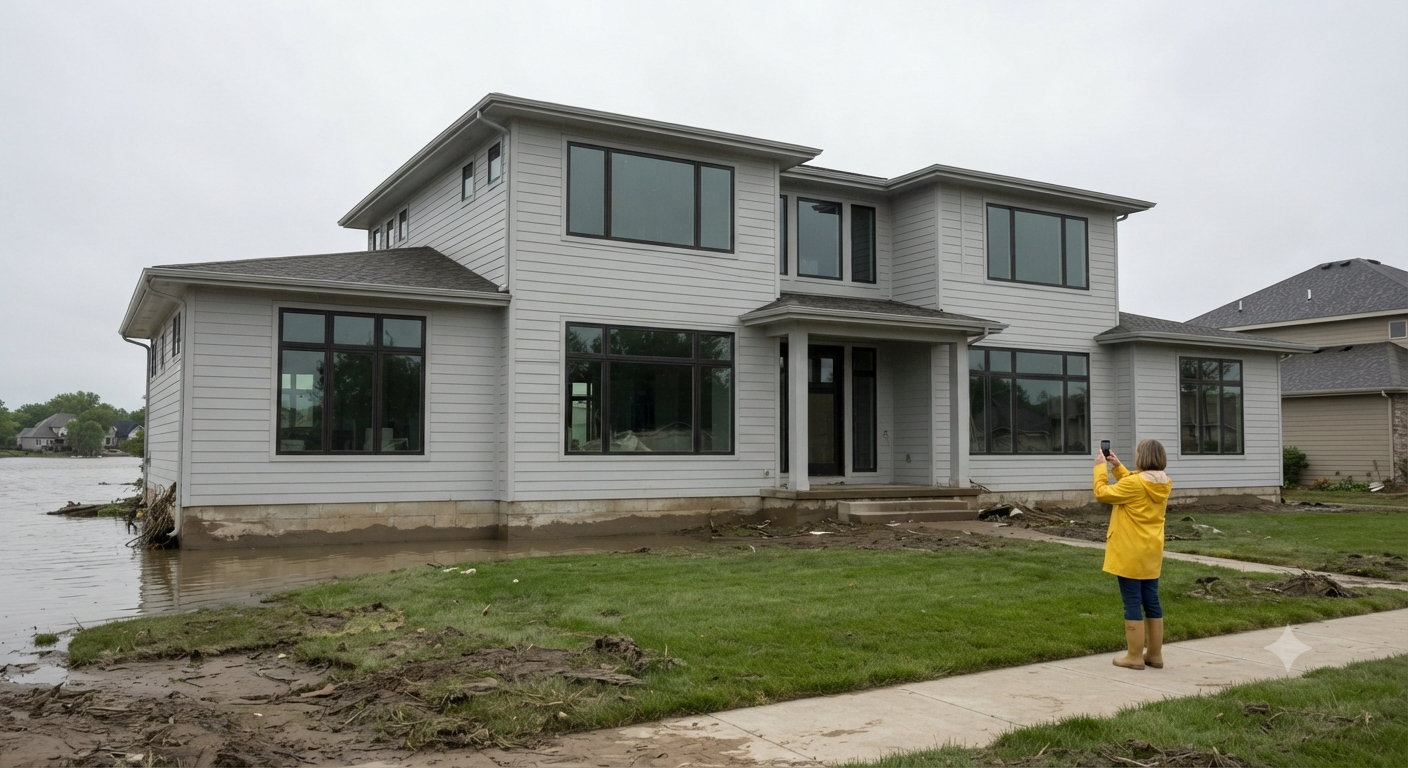
The most important insurance claim decision you make after a major disaster is made in the first hour, before a single restoration worker arrives. Documentation captured immediately after the event is the foundation of the entire claim. Documentation assembled days later, after cleanup has altered the original conditions, is significantly weaker and gives insurance adjusters grounds to dispute scope and reduce settlements.
Why Early Documentation Determines Claim Outcomes
Insurance adjusters evaluate claims based on evidence of the loss as it existed immediately after the event. Damage that worsens over days before being documented is presented as though it occurred all at once, but adjusters can identify secondary progression and may attribute deterioration to delayed response rather than to the original event. Damage that is cleaned up before it is documented simply cannot be proven.
Photographs and video taken in the hour after a disaster capture conditions that cannot be recreated: water levels, debris locations, structural failures in their immediate post-event state, and the original condition of contents before any items are moved, discarded, or damaged further by weather exposure or attempted cleanup.
What to Capture Before Touching Anything
- Exterior photos from all four sides of the structure showing the full building in context
- Wide shots of each affected room showing the full extent of damage before any cleanup begins
- Close-up photos of the specific damage at each location: water intrusion points, fire damage, structural failures, roof damage
- Photos of all affected contents in place before anything is moved or removed
- Video walk-through of the entire property at a slow, stable pace that captures everything visible
- Photos of all utility meters, panels, and shutoffs in their post-event state
- Any visible evidence of the cause of the damage: the failed pipe, the fire origin area, the storm entry point
Opening the Claim Before Cleanup Begins
Call your insurance company and open the claim on the day of the event, not after assessment is complete. Opening the claim immediately establishes the date of loss, meets the policy’s prompt reporting requirement, and starts the adjuster assignment process. A claim opened after cleanup has begun raises adjuster questions about the sequence of events that can complicate coverage determinations.
For large-scale events affecting entire communities, adjuster availability is constrained within hours of a major disaster. Property owners who open claims early are prioritized. Those who wait days find that adjusters are managing caseloads that delay review significantly. AGI’s catastrophe response teams assist with insurance coordination from the first day of engagement, providing the documentation format adjusters need rather than leaving property owners to organize evidence on their own.
Contents: The Most Underdocumented Category
Contents damage is the most frequently underdocumented category in disaster claims. Property owners who discard damaged items before they are inventoried lose those items from the claim entirely. Professional contents restoration begins with a complete room-by-room inventory of every affected item before any are moved or discarded. Items that appear destroyed are assessed for restorability through cleaning trials. Items that are total losses are documented for replacement cost claims.
The difference between a thorough contents inventory and a partial one is often tens of thousands of dollars on significant losses. Clothing, electronics, furniture, kitchen contents, and personal property that was in an affected area should be listed regardless of apparent condition, because the adjuster, not the property owner, makes the final determination of total loss versus restorable.
What to Record Even If You Think It Doesn’t Matter
Document everything that might have been affected even if you are uncertain whether it is part of the loss. Food spoilage from extended power outages. Contents in rooms adjacent to the primary damage area that may have been affected by water, smoke, or debris. Vehicles in an attached garage. Outdoor property including fencing, landscaping, outbuildings, and equipment.
Additional living expenses are also documented from day one. Hotel receipts, meal costs beyond normal food expenses while displaced, laundry, transportation to temporary housing, and any other expense incurred because of the displacement should be kept from the date of the loss forward. These expenses are covered under most standard policies when the home is uninhabitable during restoration.
Frequently Asked Questions
Q: What should I document immediately after a disaster before restoration crews arrive?
A: Photograph and video the full exterior and every affected interior space before any cleanup begins. Capture each damage point in close-up and in wide context shots showing the full room. Document all affected contents in place. Record utilities and any visible evidence of the cause of damage. Open the insurance claim the same day to establish the date of loss and meet prompt reporting requirements.
Q: Can I clean up before the insurance adjuster visits?
A: Emergency cleanup to prevent further damage is covered and expected under most policies. However, emergency cleanup should happen only after documentation is complete, and damaged materials removed should be retained or photographed before disposal. Structural cleaning and permanent repairs should wait for adjuster review. The policy’s duty-to-mitigate clause covers emergency protective measures, not permanent repairs completed before claim review.
Q: How do I document contents damage for an insurance claim?
A: A complete room-by-room inventory of every item in each affected area, with photographs of each item and written records including description, approximate age, original cost where known, and condition at time of the loss. Do not discard any item before it is inventoried. Professional contents restoration companies conduct this inventory as part of the pack-out process and submit it in the format insurance adjusters require.
Q: Does documentation quality actually affect the insurance settlement?
A: Yes, significantly. Adjusters evaluate what can be proven with the documentation provided. Damage that is well-documented with time-stamped photographs from immediately after the event produces complete and defensible claims. Damage that was cleaned up before documentation was complete or documented days after the event when conditions had changed produces claims with gaps that adjusters use to reduce settlements.
Major disaster at your home or commercial property? AGI provides catastrophe response with full insurance documentation from day one. Call now for immediate deployment.