Short answer: Mitigation cost after a water heater bursts in Bakersfield depends mostly on where the heater sits, how many gallons escaped, how long water ran before shutoff, which materials got wet, and how many days of drying equipment are needed. A garage unit leaking onto concrete costs far less to mitigate than a closet or attic unit that soaks drywall, flooring, and ceilings.
Summers in Bakersfield regularly exceed 100°F, and many homes have tank water heaters in garages, interior closets, or occasionally attics. A standard tank holds 40 to 50 gallons, but a failed supply line or fitting can keep releasing water until someone closes the valve. Where that water goes determines most of the bill.
Why does the water heater’s location matter so much?
Location determines which materials the water reaches, and porous materials like drywall, carpet, and cabinets drive mitigation cost.
- Garage on slab: water often runs toward the garage door, with limited damage to drywall and stored items
- Interior closet: water spreads into hallways, bedrooms, and flooring
- Attic: water soaks insulation, ceilings, and rooms below
- Laundry room: water may reach cabinets and adjacent rooms
What is included in water mitigation services?
Water mitigation services include emergency response, water extraction, removal of unsalvageable materials, drying equipment, monitoring, and documentation. These are typically separate line items.
Common items:
- Emergency service call
- Extraction by square footage
- Removing wet baseboards, drywall, and carpet pad
- Air movers and dehumidifiers by the day
- Daily moisture monitoring
- Antimicrobial application where appropriate
- Photo and moisture documentation
How does a water heater failure compare to burst pipe water damage repair?
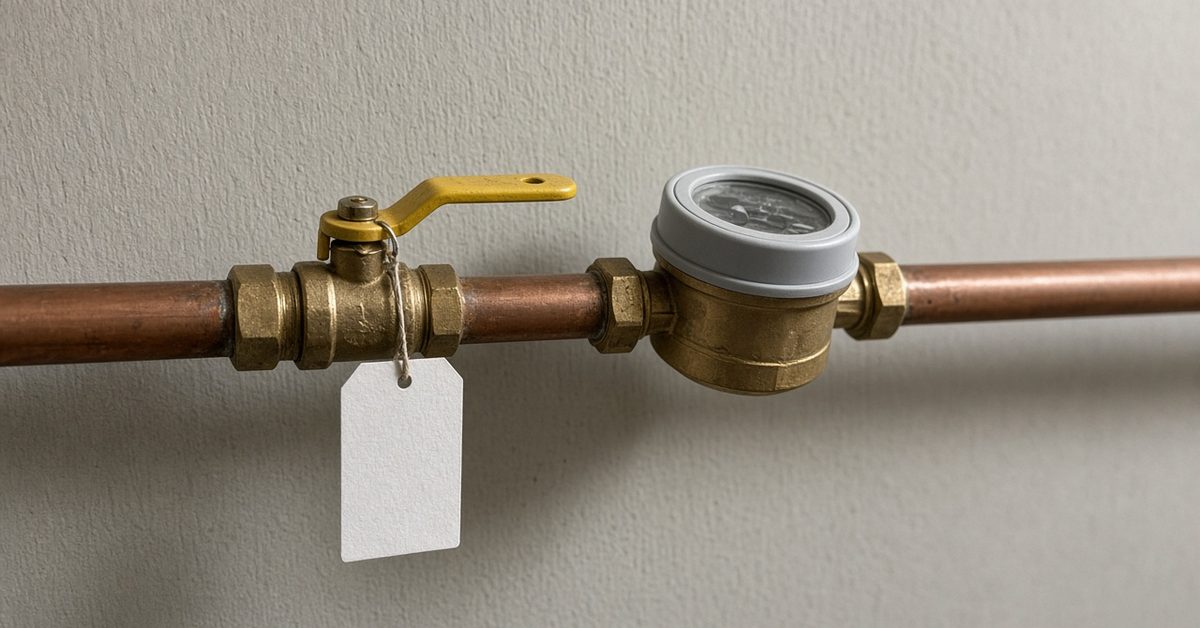
A water heater failure is often similar to burst pipe water damage repair, with one difference: hot water can damage some materials faster and the tank may keep refilling until the supply is shut off. Turning off the cold supply valve at the top of the tank and the power or gas is the first step.
What factors increase cost the most?
The biggest cost drivers are the area affected, time before response, and materials like hardwood, cabinets, and finished ceilings.
- Water left running overnight
- Hardwood or laminate flooring
- Built-in cabinetry
- Ceilings below an attic unit
- Contents needing cleaning or pack-out
How does Bakersfield’s climate affect drying?
Bakersfield’s dry air can help surface drying, but materials inside walls and under flooring still need professional equipment and monitoring. In summer, indoor temperatures can also affect equipment performance.
What happens after mitigation?
After mitigation, the rebuild includes drywall, flooring, trim, and paint, which is often the larger share of the total.
How can you keep costs down?
Shut off the water fast, move belongings, and call for help immediately.
- Know where the water heater shutoff is
- Install a drain pan and leak sensor
- Replace aging tanks proactively
- Document damage before cleanup
How many gallons can actually escape?
A tank holds its rated capacity, often 40 to 50 gallons, but a failed supply line or fitting can keep releasing water until the cold supply is shut off, so total volume can be far higher. That’s why discovering a leak quickly matters more than tank size.
What does a garage leak typically involve?
A garage leak on a slab often involves extracting water, drying the base of garage walls, and cleaning or discarding wet stored items. If the garage shares a wall with living space, water may wick into drywall on the interior side.
What does an interior closet or attic leak involve?
Interior and attic leaks usually involve more drywall, flooring, insulation, and ceiling work. An attic heater leak can soak insulation and drop water through ceilings into multiple rooms.
What extra costs might apply?
Extra costs may include replacing the water heater, code-required updates like seismic straps and expansion tanks, and contents cleaning. California requires water heaters to be braced or strapped for earthquake safety, so a replacement may include strapping.
How does documentation help?
Documentation of the failure, damage, and drying supports your insurance claim and explains the costs. Keep photos of the failed tank or fitting.
Why does heat in Bakersfield affect water heater life?
Garage water heaters in Bakersfield face extreme summer heat, and hard water in parts of the Central Valley can lead to sediment buildup that shortens tank life. Flushing the tank as the manufacturer recommends can help.
What signs warn of an impending failure?
Warning signs include rust-colored water, rumbling or popping noises, moisture at the base, and a tank older than about a decade. Replacing before failure is usually far cheaper than mitigation.
What does a detailed estimate show?
A detailed estimate lists extraction, removal, equipment days, monitoring, and rebuild separately, so you can see what drives the total. Anderson Group International lists Bakersfield among its water damage restoration service areas.
Related services: Water Damage Restoration – Bakersfield
Frequently asked questions
Does insurance cover a burst water heater?
Sudden failures are often covered, though the heater itself usually isn’t. Check your policy.
How long does drying take?
Usually several days.
Can I get a price over the phone?
An accurate estimate requires an inspection.
Call Anderson Group International
If your water heater burst in Bakersfield, call Anderson Group International at 1-800-994-7575.